My Journey Into The World of Fine Art Photography
A Journey of A Thousand Miles Begins With A Single Step
When I began my photographic journey in 2008, I had no idea how profoundly it would change my life.
From the moment I picked up my first camera, I was captivated. Photography awakened something in me—a desire to see more, explore farther, and experience the world in a deeper way. At the time, I had a stable career that provided a semi-flexible schedule and covered the bills, with just enough left over for a tank of gas and the occasional adventure. What I lacked in resources, however, I made up for in curiosity and determination.
There's an old saying: If you do what you love, you'll never work a day in your life. I decided to find out if that was true.
The Struggle
For the next three years, I accepted every photography job I could find. Portrait sessions, birthday parties, corporate events, weddings—if someone needed a photographer, I was there. Every assignment became an opportunity to fund the next lens, the next road trip, or the next step forward.
In early 2011, I began offering on-location nature workshops to fellow photographers. As my technical skills improved and my artistic vision matured, I started printing small photographs to share with friends, family, and coworkers. I also developed relationships with companies that licensed my work for calendars, tourism campaigns, and retail products.
While those opportunities were rewarding, nothing compared to seeing my photographs come to life as physical prints.
During this period, I was working a full-time job, leading an ambitious workshop schedule, and creating personal work whenever I could find the time. Somewhere in the middle of that whirlwind, I met Lisa, the woman who would become my wife. We married in 2013, and together began building a life that would soon take an unexpected and wonderful turn.
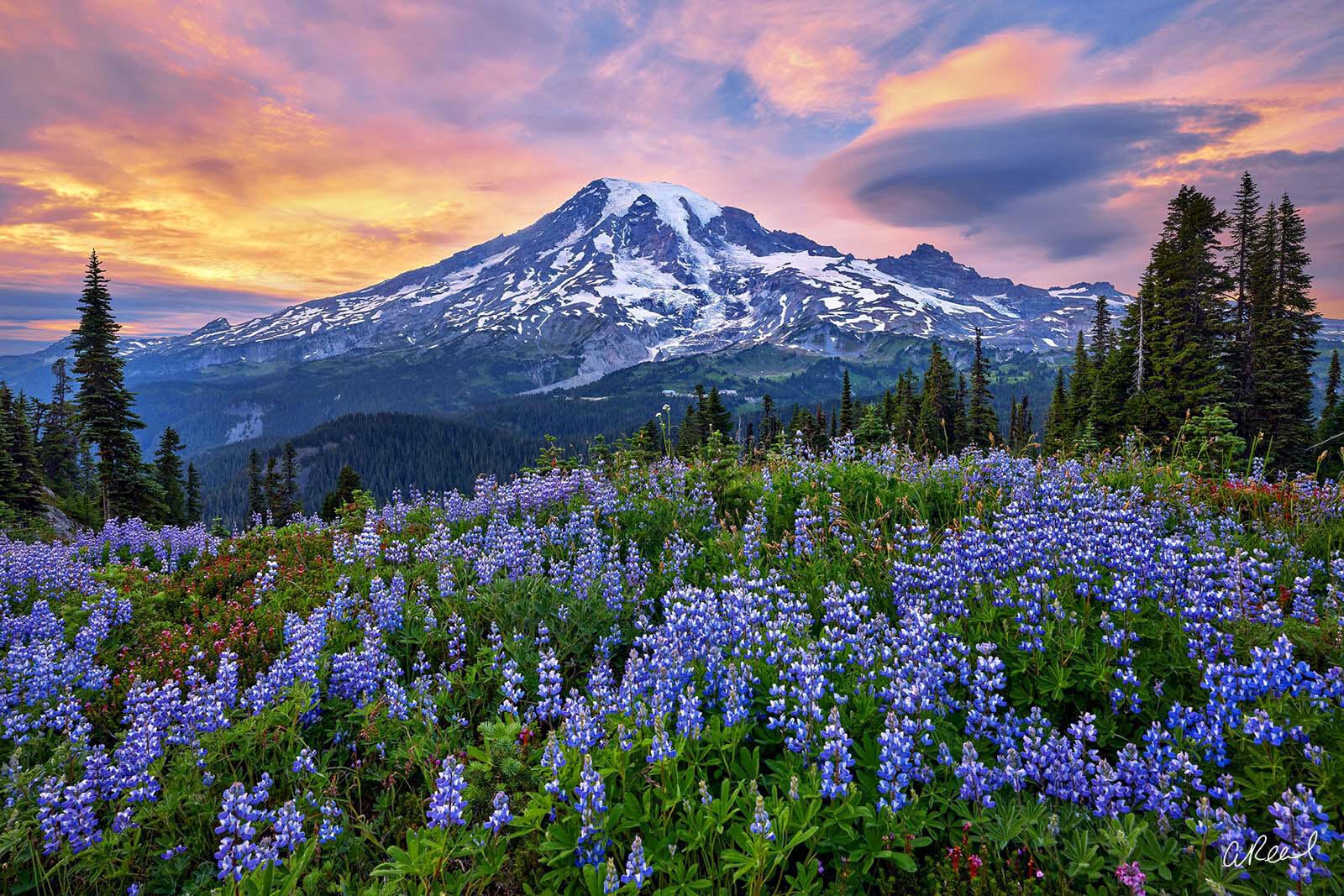
Fine Art Limited Edition of 100 - A beautiful lenticular cloud forms above the majestic slopes of Mt Rainier in Washington State, offering a show for the fields of wildflowers below.
What A Difference A Year Makes
One ordinary day in June, everything changed.
I learned that I was going to be a father.
In an instant, my priorities shifted. What was already a full plate was about to overflow. I knew something had to give, so I made the difficult decision to cancel my entire workshop schedule and prepare for the next chapter of our lives.
I still wanted to pursue photography professionally, but I wasn't sure what that would look like while balancing a full-time career, a growing family, and a newborn on the way. Faced with uncertainty, I made a decision that would ultimately change everything: I committed myself fully to selling fine art photography.
At the time, the idea felt almost impossible.
I knew very little about professional printing. I had no experience running an online business. Opening a gallery was financially out of reach, and I had neither the time nor the resources to travel the art show circuit.
What I did have was belief, determination, and a willingness to learn.
I immersed myself in research. I studied printing, learned how to prepare images for large-format reproduction, analyzed what types of artwork resonated with collectors, and taught myself everything I could about SEO, branding, and e-commerce. I failed often. Some ideas worked, many didn't, but each setback taught me something valuable.
Rather than giving up, I adapted.
I reimagined my identity as a photographer, refined my brand, and in 2014 released my first limited-edition print.
To my surprise—and immense gratitude—it began to sell.
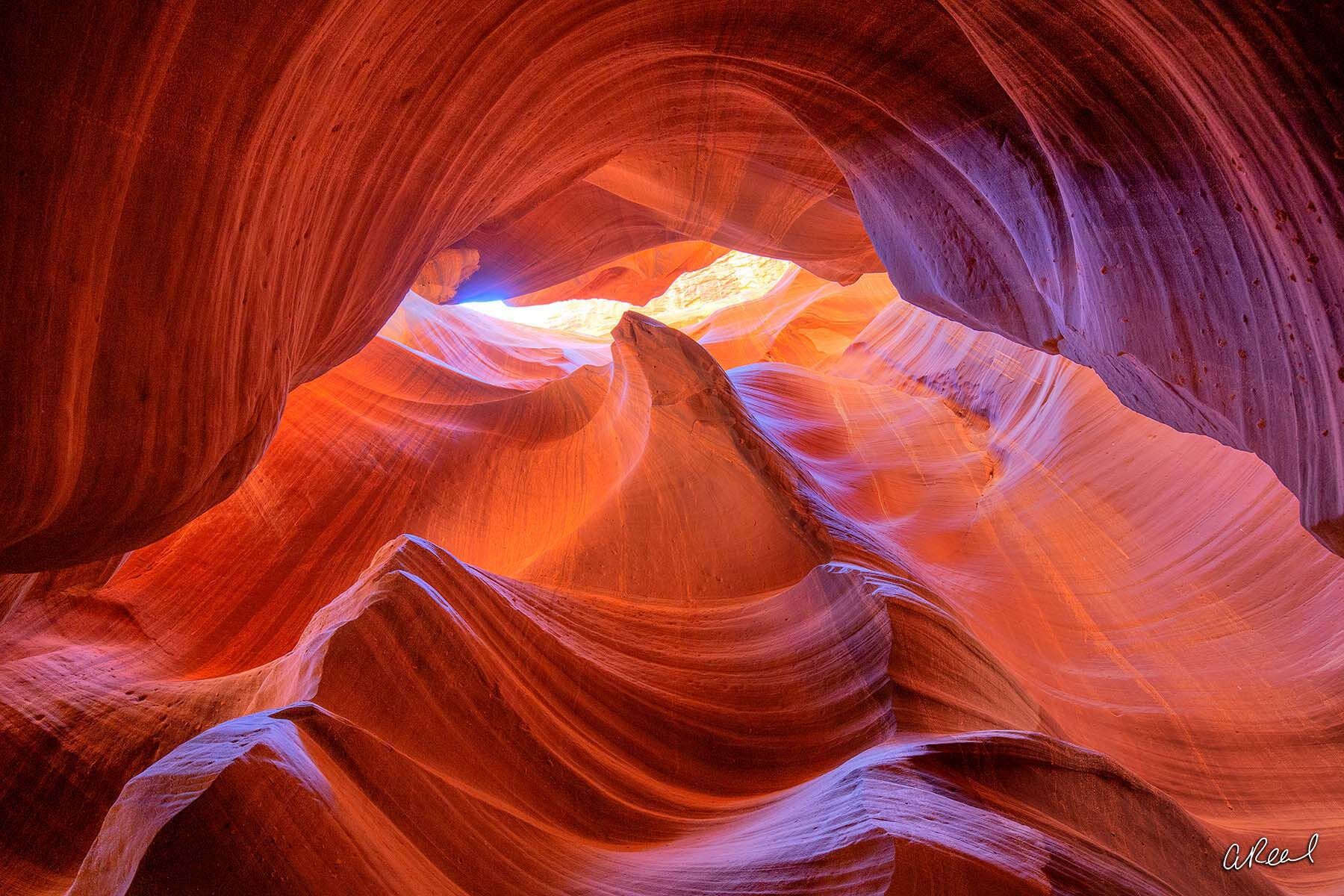
The Vortex - A Fine Art Limited Edition of 50
Believe in Magic
I'll never forget selling my first large print online to someone I had never met.
The experience was equal parts excitement and terror.
As more sales followed, fear gradually gave way to confidence. What began as an occasional sale turned into a consistent pattern. One print every few weeks became several. My belief in what was possible grew stronger with each collector who chose to bring my work into their home.
I focused relentlessly on what was working while remaining open to new ideas. Every day, I invested time and energy into building both my business and my brand.
Two years later, I completely sold out the edition of 200 prints from that first release.
By then, larger pieces were selling regularly, and the business continued to grow. For four consecutive years, annual sales doubled, eventually surpassing a quarter-million dollars. More importantly, that growth gave me the confidence to believe that this dream could become a reality.
In 2017, our son was born.
With the support of my family and confidence in the business I had built, I took parental leave—and never returned to a traditional job.
It remains one of the best decisions I have ever made.
Since then, the business has continued to grow, and I have had the privilege of spending every day with my son and the incredible family we've built together. Success, for me, has never been measured solely in sales or accomplishments. It is measured in freedom, gratitude, and the ability to spend my time doing work I genuinely love alongside the people who matter most.
Today, my photographs are collected around the world. I produce museum-quality, limited-edition acrylic prints ranging from 36 inches to well over 100 inches wide, selling directly through my website and through galleries in some of the world's most prestigious art markets.
Yet the greatest reward isn't the recognition or the sales.
It's waking up every day excited to create.
And it turns out they were right.
When you truly love what you do, it doesn't feel like work at all.
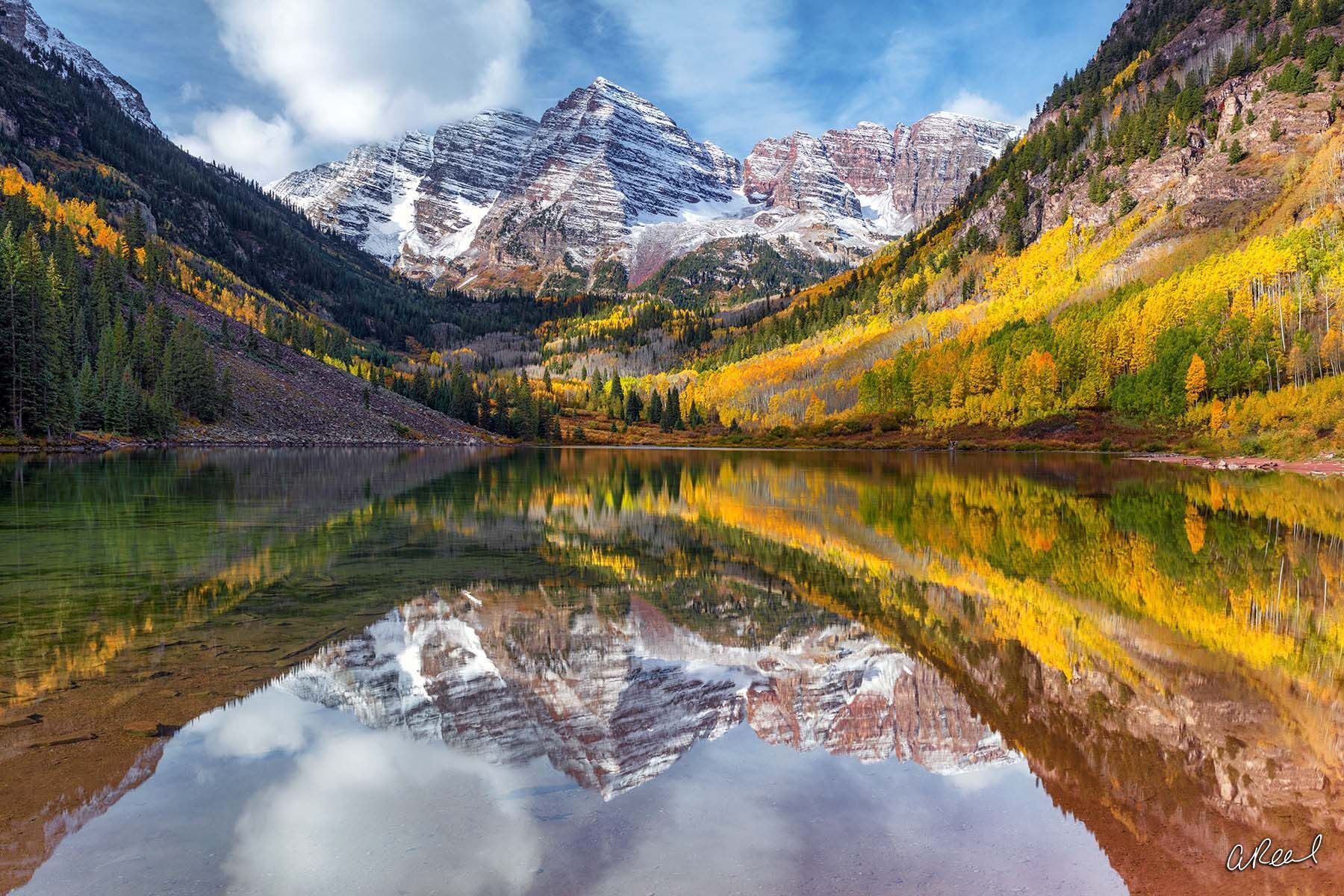
The Crown - A Fine Art Limited Edition of 50
A Photograph’s Destiny
In photography's early years, the ultimate purpose of an image was to become a print. The photograph was never intended to live solely as a negative—it was meant to be experienced as a finished piece of art.
Today, despite extraordinary advances in both photography and printing technology, that tradition is slowly being lost.
Modern cameras are capable of capturing remarkable detail. Photographers spend countless hours planning compositions, waiting for perfect conditions, blending exposures, and meticulously refining their images in post-processing. Yet far too often, the final destination for all that effort is a small image viewed briefly on a phone screen.
There is something unfortunate about investing so much time and passion into capturing the grandeur of nature, only to reduce it to the size of a postage stamp in pursuit of likes and fleeting attention.
Nothing compares to seeing a photograph transformed into a large, beautifully crafted print.
For anyone who has never experienced their work in print, I encourage you to make it a priority. The experience is transformative.
First Things First
Creating exceptional prints begins long before the image reaches the printer.
A properly calibrated monitor is one of the most important investments a photographer can make. Modern displays are often set far brighter than ideal for image editing, which can lead to disappointing print results. Equally important is maintaining a consistent editing environment. Working on the same display, in the same room, under consistent lighting conditions helps ensure predictable and repeatable outcomes.
Small details matter. They always have.
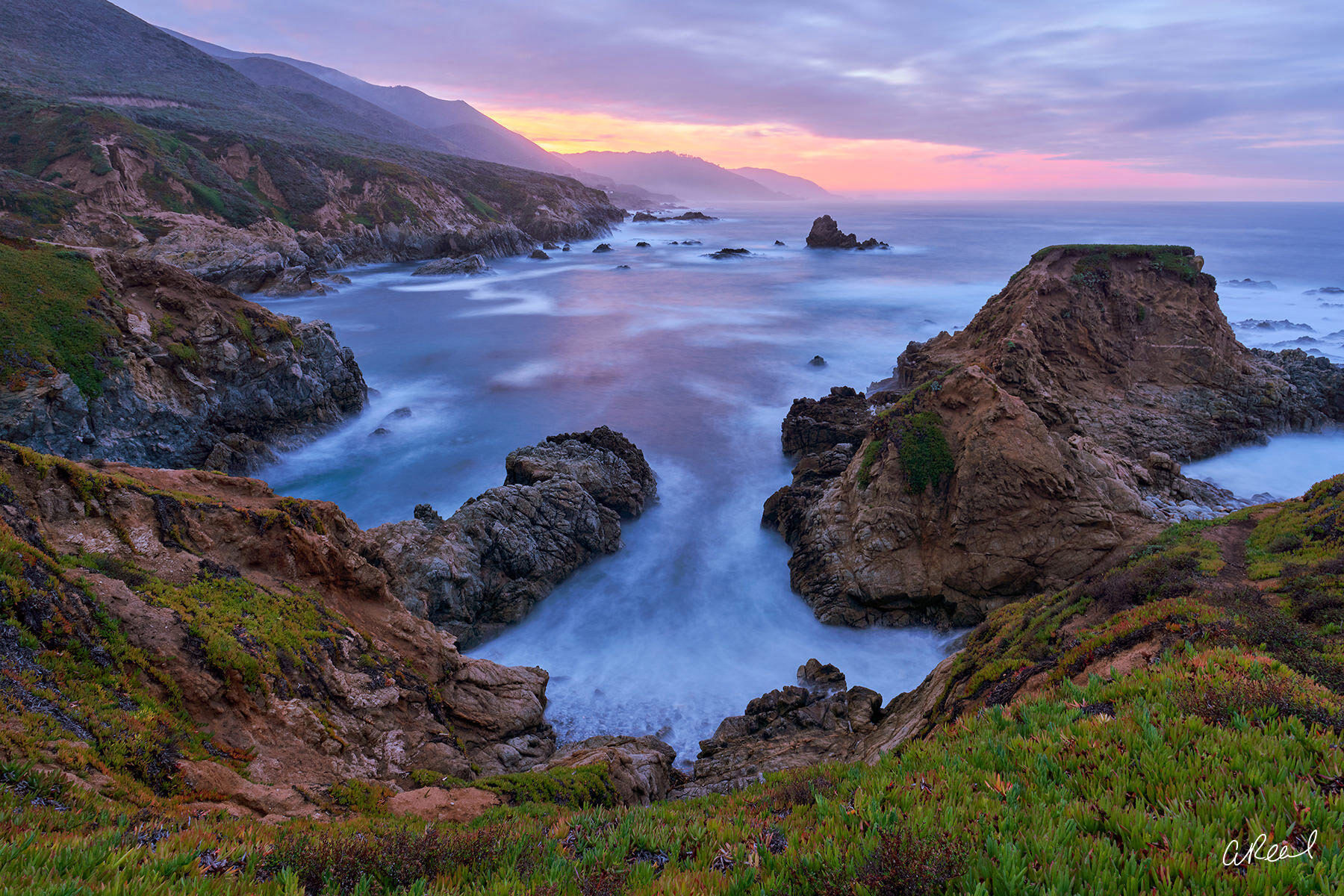
Smoke On The Water - A Fine Art Limited Edition of 50
It’s the Little Things That Make Big Differences
Beautiful prints are the result of many elements working together in harmony.
Everything begins with a strong image file, but success extends far beyond exposure alone. Focus, depth of field, shadow detail, highlight retention, white balance, contrast, and color relationships all contribute to the final viewing experience. Each decision made during capture and post-processing influences how the image will ultimately appear in print.
Output size is another critical consideration. An image optimized for an 18-inch print often requires additional adjustments before it can successfully become a 60-inch piece. Resolution, local contrast, tonal balance, sharpening, and fine detail must all be carefully refined for the intended presentation size.
My own workflow begins with a master file preserved at its original resolution and without output sharpening. From that foundation, I create additional versions optimized for specific print sizes and presentation formats.
These are only a few of the many considerations involved in producing museum-quality prints. The subject is vast, and this isn't intended to be a technical guide. My goal is simply to encourage photographers to experience the satisfaction of creating tangible work—art that can be shared, displayed, and appreciated beyond the confines of a screen.
A digital display, no matter how advanced, is ultimately a limited substitute for the richness of the natural world. While digital images can be beautiful, something essential is often lost in translation.
A finely crafted photographic print restores much of that magic.
The depth, texture, subtle tonal transitions, and physical presence of a print create an experience that a screen simply cannot replicate. It brings the viewer closer to the feeling of standing in that moment, reconnecting them with the wonder that inspired the photograph in the first place.
And perhaps that is the true destiny of a photograph—not merely to be seen, but to be experienced.
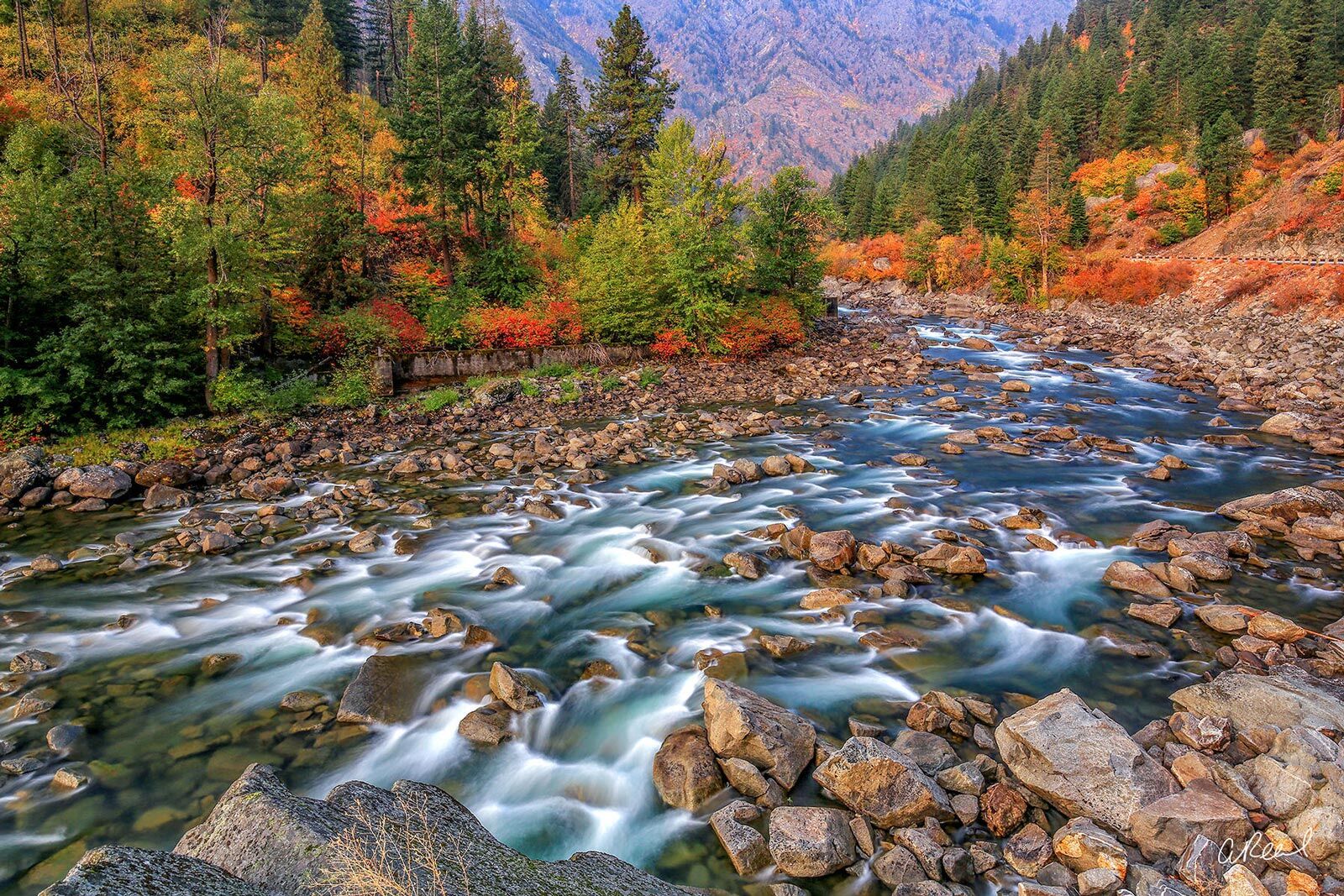
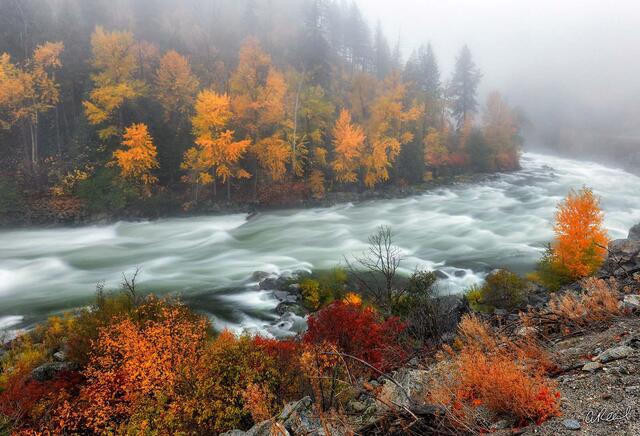
Fine Art Limited Edition of 50 - Water from the Wenatchee River and its tributaries has been diverted for irrigation since 1891, mainly for orchards. The Tumwater Canyon dam originally provided power to the original 2-mile (3.2 km)-long railroad tunnel used near Stevens Pass to get trains across the Cascade Mountains, it was later (starting in 1928) used to power the railroad's electrification from Wenatchee to Skykomish.
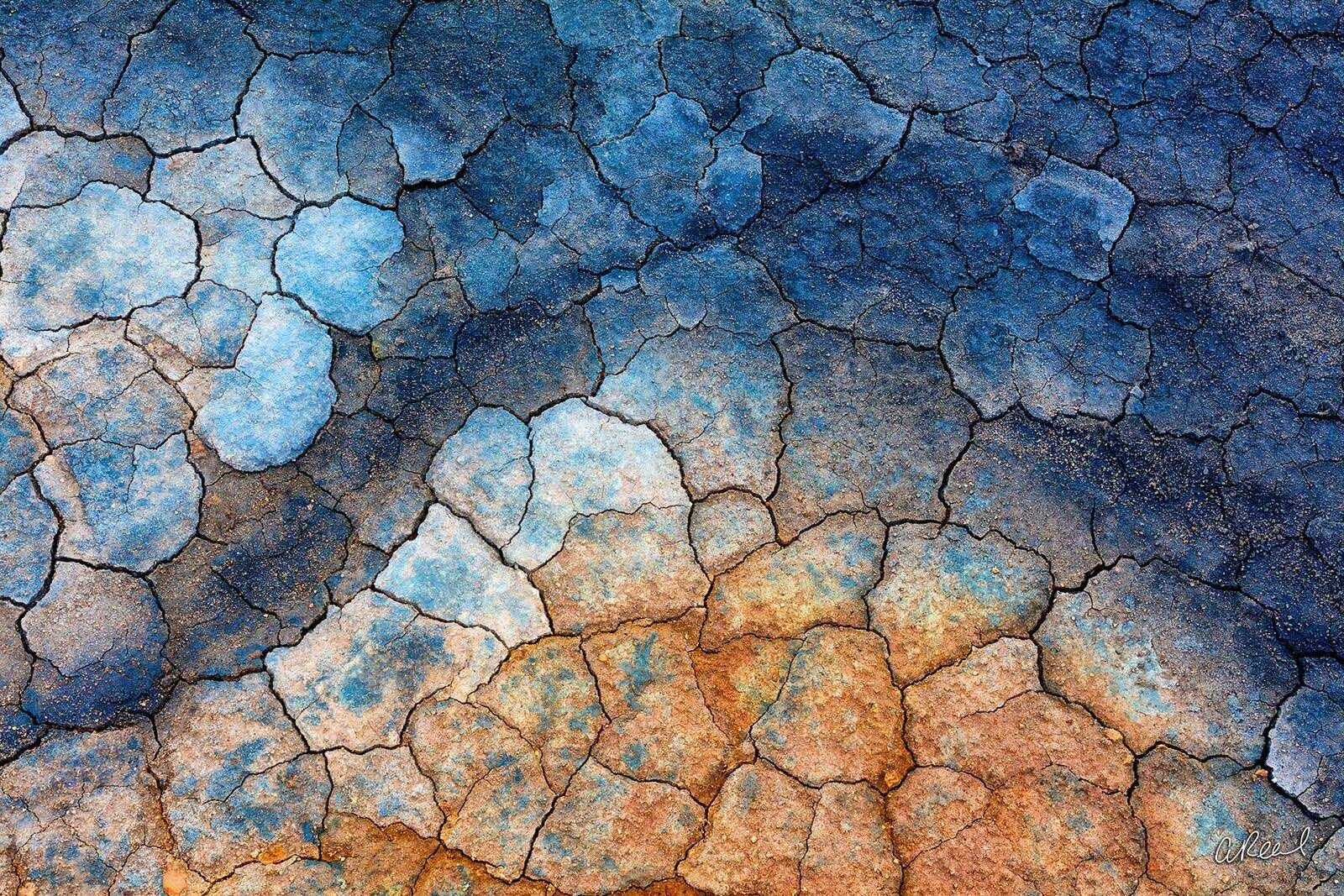
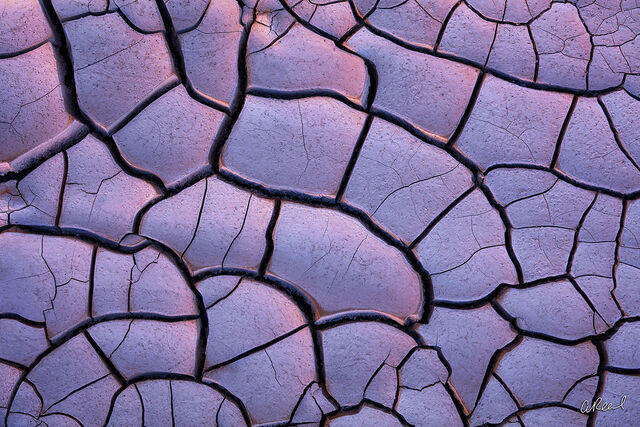
Fine Art Limited Edition of 100 - Naturally forming mudcracks start as wet, muddy sediment dries up and contracts. A strain is developed because the top layer shrinks while the material below stays the same size. When this strain becomes large enough, channel cracks form in the dried-up surface to relieve the strain. Individual cracks spread and join up, forming a polygonal, interconnected network. These cracks may later be filled with sediment and form casts over the base.