Why My Perspective May Be Different
I am a completely self-taught photographer. Everything I know about selling nature wall art comes from real-world experience rather than formal training. Since 2013, I have sold thousands of fine art nature photography prints and large-scale landscape photography pieces directly through my website, generating more than $6 million in revenue.
My average sale is approximately $2,500, with most collectors purchasing artwork for prominent spaces such as above a fireplace, a bed, or a sofa. Slightly more than half of my buyers purchase artwork without ever speaking with me directly, even though I make myself available to collectors throughout the process. Many collectors have shared how these pieces changed the feeling of their homes after installation.
During my first few years in business, most sales came from first-time buyers. Over time, that evolved into roughly an even split between new collectors and returning clients. Those thousands of sales and conversations have given me a unique perspective on how people choose nature wall art, what influences their decisions, what they regret, and what ultimately makes them happiest with their purchase years later.
The observations that follow are not based on surveys, market research, or industry reports. They are based on real experiences with real collectors who have invested in my work over the past decade.
What Nature Photographers Like vs. What Collectors Buy
Nature photographers return to the same location again and again in pursuit of the perfect image. Often, we are chasing rare environmental conditions, fleeting moments, and dramatic light that can take years to capture. Once captured, we return to our computers and spend hours refining the image so we can present our vision to the world.
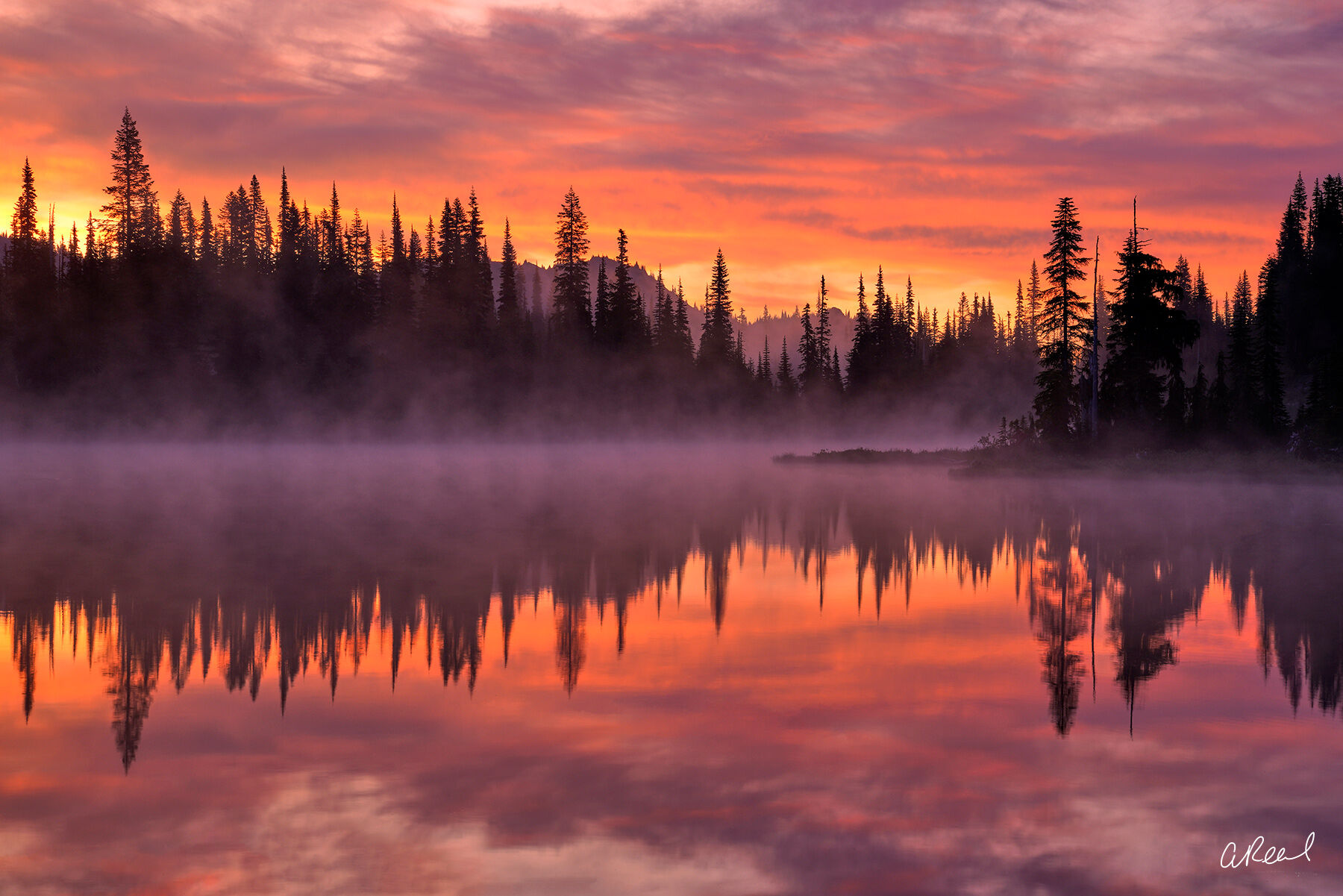
The challenge is that most collectors don't live in spaces that resemble the dramatic scenes photographers often admire. That lightning strike streaking across the sky may be exciting to a photographer, but it doesn't necessarily create a sense of calm as wall art for a living room. An image of snow and ice doesn't typically generate feelings of warmth, even if a waddle of fuzzy baby penguins is bouncing across an iceberg in the foreground.
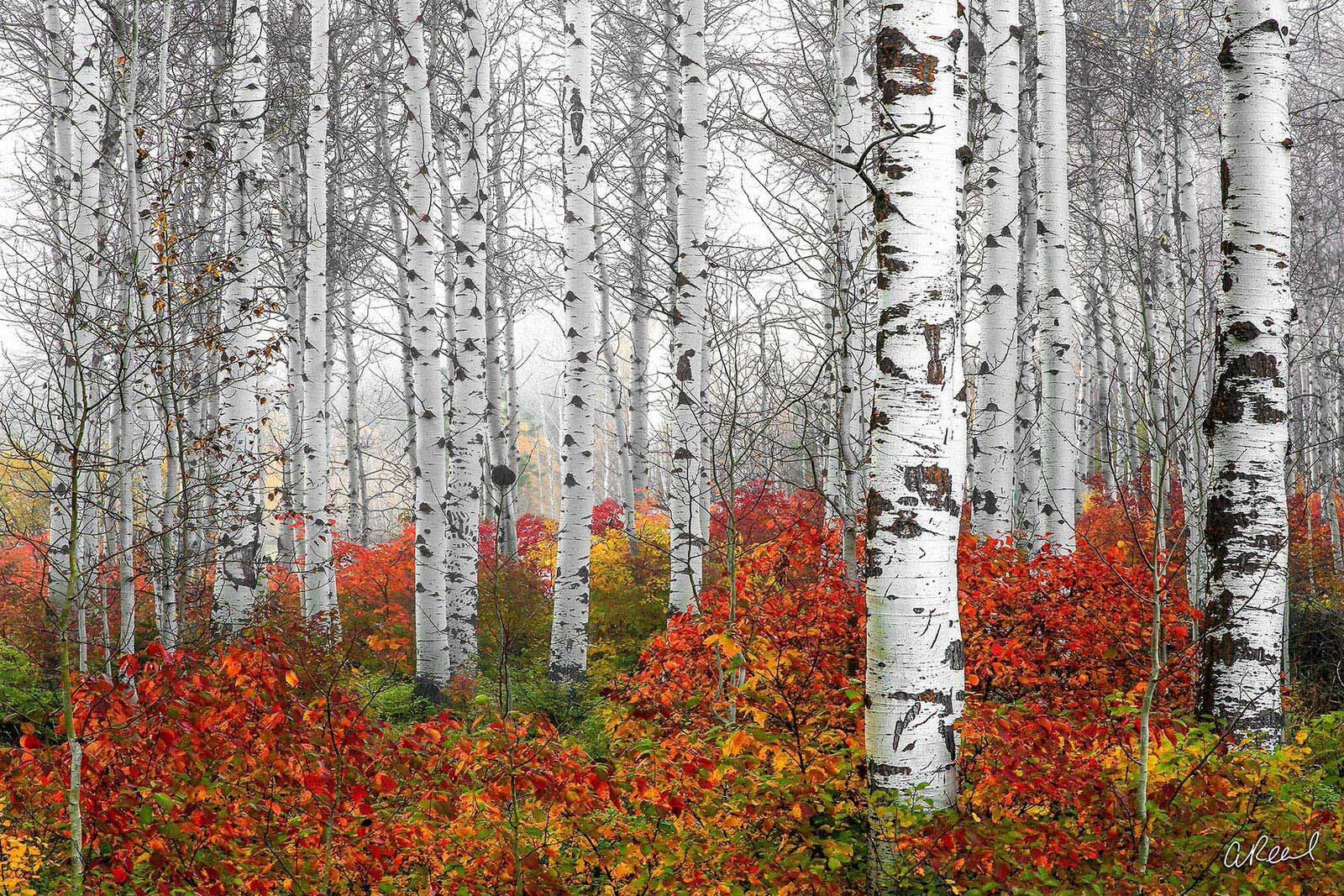
After nearly 15 years of selling nature photography prints to collectors around the world, my experience has been that simple subjects, natural beauty, and images that allow personal thought and reflection are what most buyers are looking for. Some of my favorite images rarely sell.
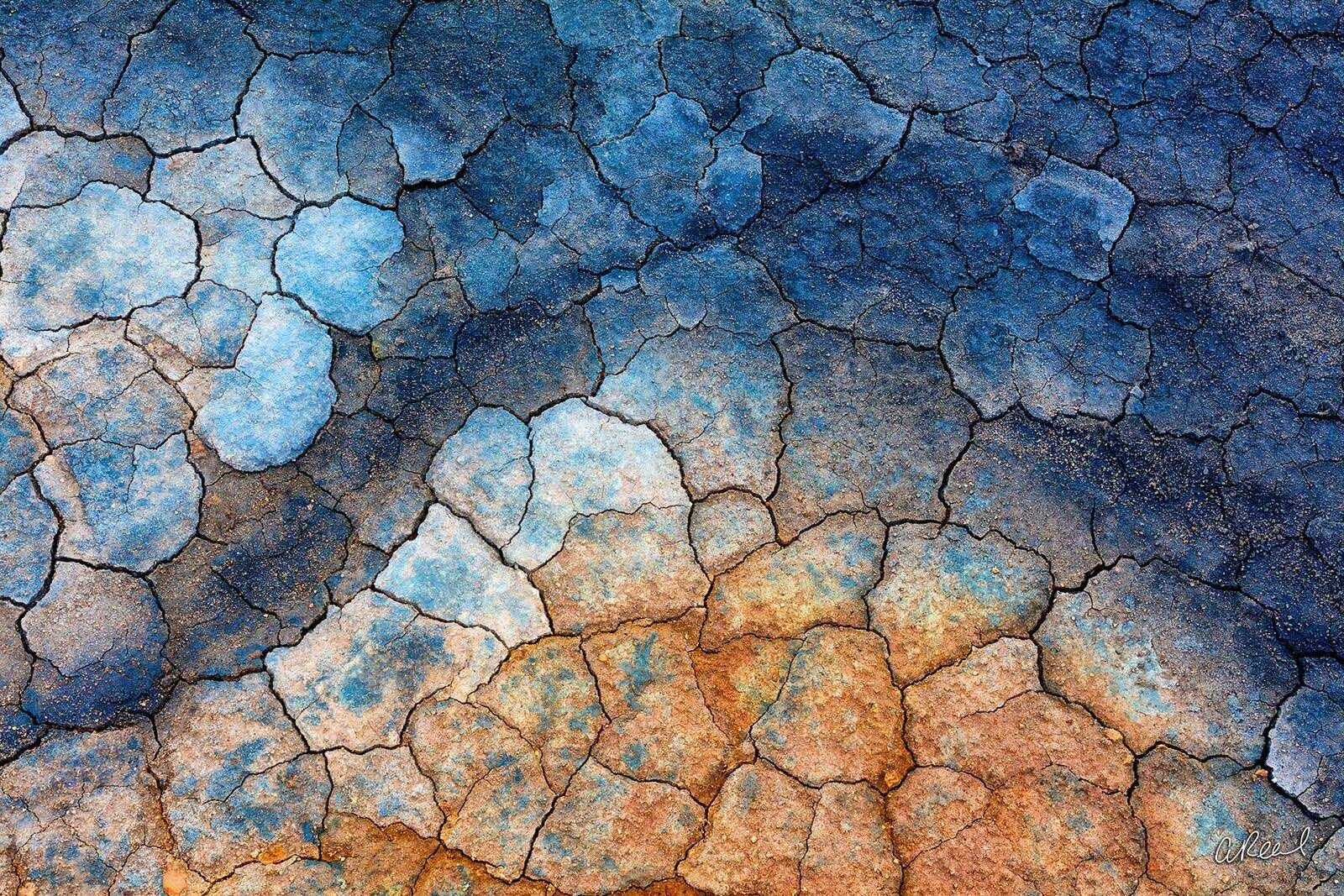
One of the most surprising lessons I've learned came from an image of dried cracked mud. As a photographer, I never expected it to become one of my strongest sellers. Yet over the years it has generated more than $150,000 in sales. The image contains none of the dramatic elements photographers typically chase—no epic sunset, no thunderstorms, and no rolling fog. What it does have is simplicity, texture, and a calming visual rhythm that works beautifully in people's homes.
The Biggest Mistake I See People Make When Buying Wall Art
After thousands of fine art photography sales, the biggest mistake I see buyers make has nothing to do with subject matter, framing, or color. It's choosing artwork that is too small for the space.
Many people underestimate the visual impact required for a piece of artwork to become the focal point of a room. Over the years I've had countless conversations with collectors who were initially hesitant about oversized artwork. Very few later told me they wished they had chosen a smaller piece.
The second mistake I see is treating artwork as an accessory rather than a design anchor. The most successful spaces are often designed around the artwork, not the other way around. The artwork establishes the mood, energy, and visual direction of the room. Furniture, colors, and decorative elements then support that vision.
When I began selling photography, many buyers were looking for souvenirs, travel memories, or artwork for relatively small spaces. Today, a significant percentage of my collectors are designing entire rooms around a single piece of artwork. The artwork is no longer an accessory. In many homes it has become the focal point that influences furniture selection, paint colors, and the overall feel of the space.
After thousands of sales, I've noticed that buyers rarely talk about aperture, composition, or technical difficulty. Instead, they talk about how an image makes them feel. They describe feeling peaceful, inspired, nostalgic, hopeful, or connected to a place they love.
Looking back, the photographs that changed my career weren't always the most difficult to create. They were the ones that allowed collectors to see a piece of themselves reflected in the artwork.
The Tree That Changed How I Think About Art Sales
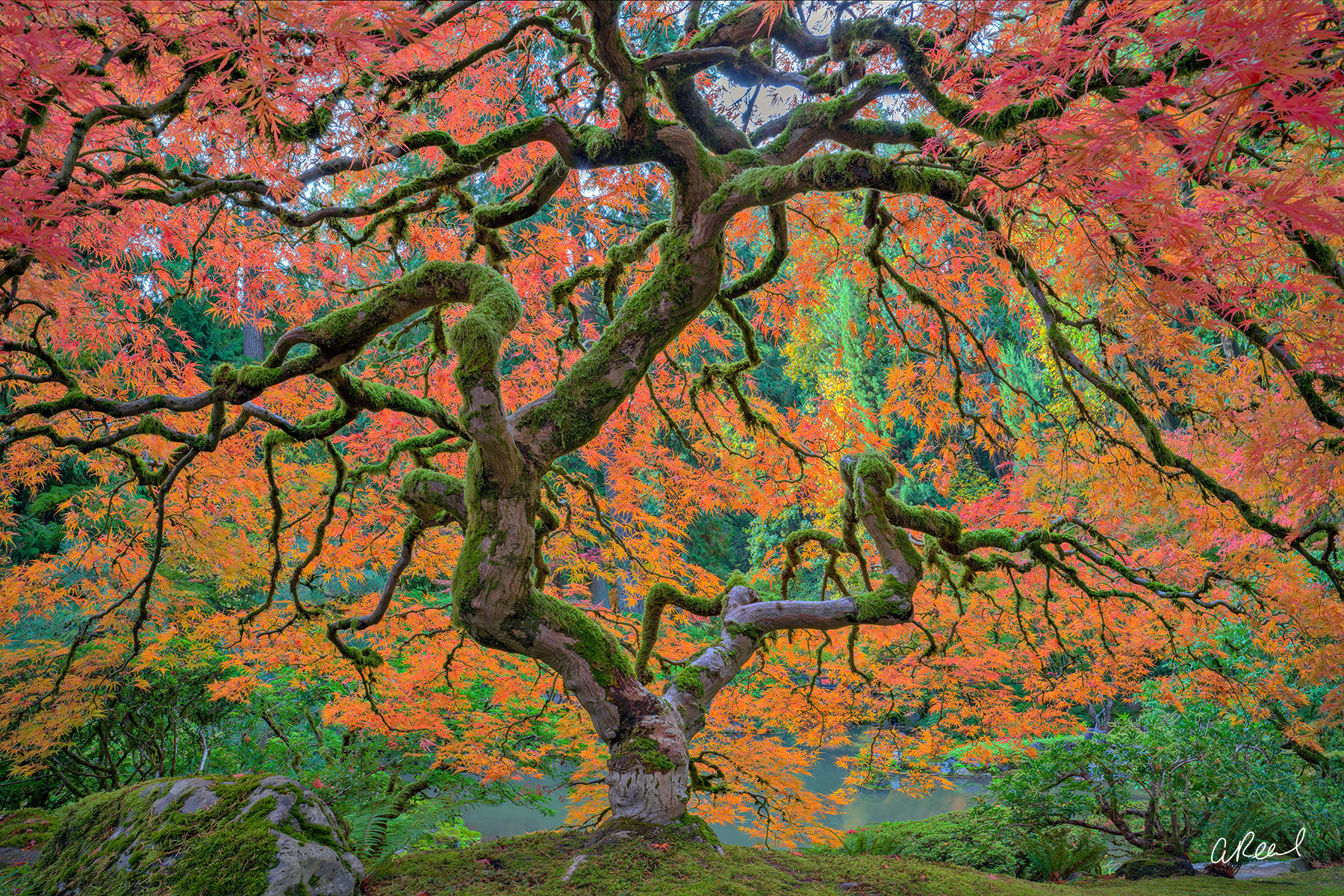
I was born and raised in Portland, Oregon, and spent most of my early life there. When I picked up my first camera in 2008, I began searching for interesting subjects close to home and eventually discovered a beautiful Japanese Maple tree tucked away in a local garden.
The first thing that caught my attention wasn't actually the tree itself, but a dreamy, out-of-focus photograph another photographer had created of it. The image stayed with me, and I eventually sought out the tree to photograph it myself. As I spent time there, I noticed something fascinating. Almost everyone who walked past it stopped to admire it, despite it standing less than 6 feet tall. People were drawn to it in a way that seemed different from other subjects I photographed.
At the time, I had no idea that this tree would become one of the most important subjects of my career.
The first limited edition print I released featuring the tree was titled Living Lightning. It was an edition of 200 and sold out within two years. The second, The Green Dragon, was an edition of 100 and sold out almost as quickly. Then, in 2014, I created an image called Dragon's Breath. What happened next completely changed how I thought about art sales.
Dragon's Breath went on to become the most successful image of my career.

As the years passed, I spent a great deal of time asking myself why. From a photographer's perspective, I had captured images that were technically more difficult, taken in more remote locations, and created under far rarer conditions. Yet this single tree consistently outperformed them all.
Eventually, I realized the answer had very little to do with photography.
The tree embodies many of the qualities buyers seem to connect with most strongly. It is simple, beautiful, welcoming, and open to personal interpretation. Some people see strength and resilience. Others see growth, transformation, renewal, or hope. Some have even referred to it as a "Tree of Life." The photograph becomes less about the tree itself and more about what the viewer brings to it emotionally.
That lesson fundamentally changed how I think about nature wall art.
Photographers often assume that rarity, technical difficulty, or dramatic conditions are what make an image valuable. My experience has shown otherwise. The images that resonate most deeply are often the ones that create an emotional connection and allow viewers to project their own memories, dreams, and experiences into the artwork.
I have returned to photograph this tree every year since 2013 and have created images of it during all four seasons. While sales are certainly not the only measure of artistic value, the fact that collectors have purchased more than $1 million worth of artwork featuring this single subject remains one of the clearest lessons of my career.
What Has Changed Since I Started Selling Art
One of the advantages of selling nature wall art for more than a decade is that I've had the opportunity to watch buyer behavior evolve in real time.
When I first started selling photography, many buyers were purchasing artwork as a reminder of a place they had visited. A landscape photograph might commemorate a favorite vacation, a national park adventure, or a destination that held special meaning. Others were simply looking for something attractive to fill an empty wall at home or in an office.
While those buyers still exist today, the role artwork plays in a home has changed dramatically.
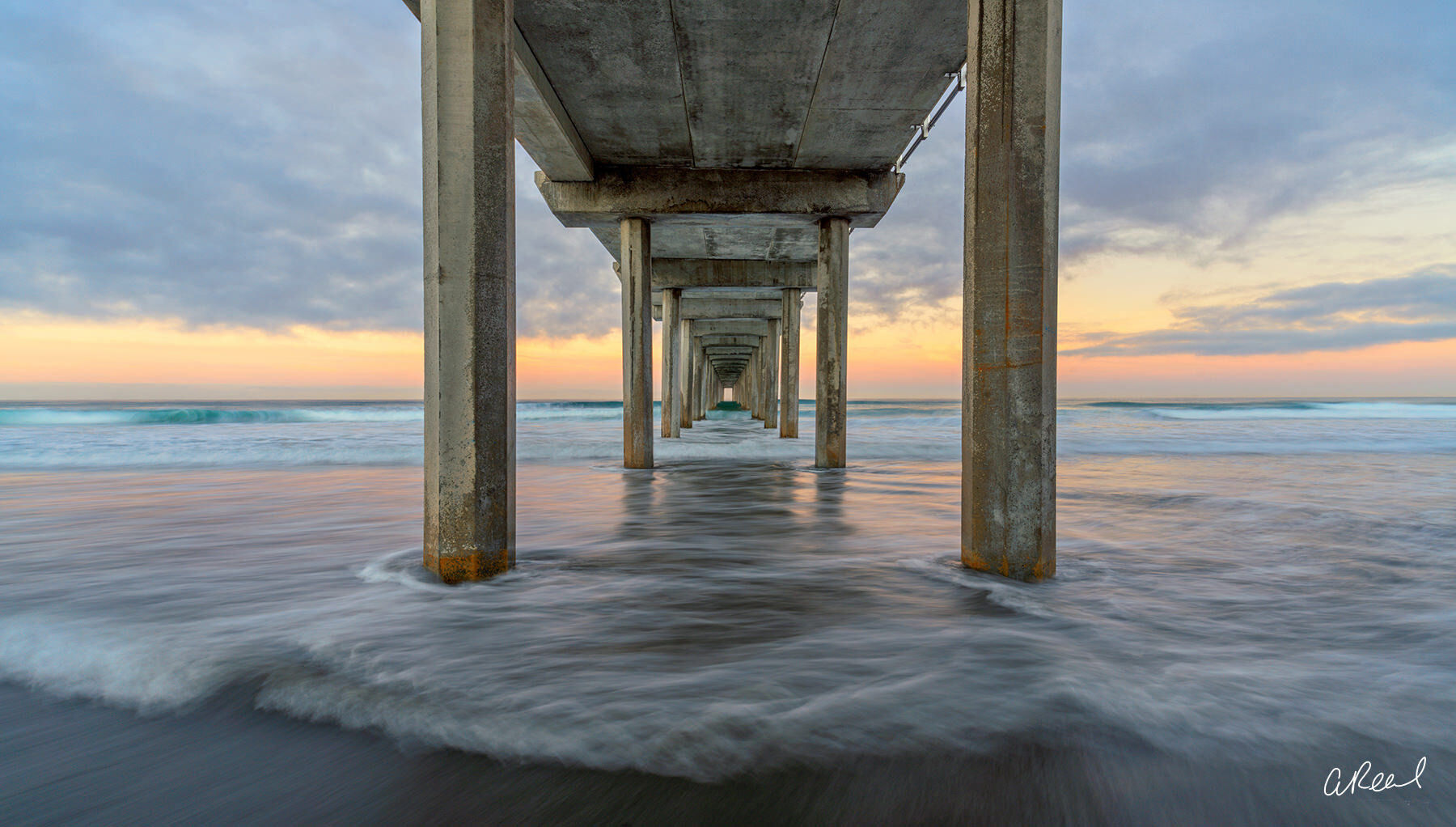
Increasingly, collectors are not purchasing artwork to fill a space. They are purchasing artwork to define a space.
In the early years of my business, it was common for buyers to choose artwork after most of the room had already been designed. The furniture was in place, the paint colors had been selected, and the artwork was often one of the final decisions.
Today, I frequently work with collectors who take the opposite approach.
The artwork comes first.
I've had buyers choose furniture, paint colors, lighting, rugs, and even architectural finishes based on a single photograph. Rather than serving as an accessory, the artwork becomes the visual anchor that influences every other design decision.
On one occasion, a collector in Las Vegas chose a total of 25 prints, having them displayed in every room of their home, before taking possession of a single piece of furniture.
Perhaps the biggest change, however, is that buyers have become far more intentional.
They are spending more time considering how they want a room to feel. They aren't simply asking, "What will look good here?" They are asking, "How do I want to experience this space every day?"
That shift has reinforced one of the most important lessons I've learned throughout my career.
People don't just buy nature wall art because they like a photograph.
They buy it because of the way they hope it will make them feel when they live with it.
The Most Important Thing I’ve Learned
If twenty years from now I forget every sales number, every edition size, every sold-out release, and every milestone in my career, I hope I remember one thing.
People do not buy wall art because of what it is.
They buy it because of what it means to them.
When I first started selling photography, I believed the most successful images would be the ones that required the greatest effort to create. I thought buyers would be drawn to rare conditions, remote locations, technical perfection, and dramatic moments.
Sometimes they are.
More often, they are drawn to something much simpler.
A feeling.
A memory.
A sense of peace.
A reminder of a place they love or a dream they hope to experience someday.
Over the years I've watched collectors spend thousands of dollars on artwork that reminded them of childhood vacations, family traditions, personal accomplishments, or simply the feeling they wanted to create in their homes. The most meaningful pieces were rarely chosen because of camera settings, editing techniques, or photographic difficulty.
They were chosen because they created a connection.
The longer I sell nature photography, the more I believe that great wall art isn't something people look at.
It's something they live with.
It becomes part of their daily routine, part of their home, and often part of their story.
If there is one lesson that thousands of sales have taught me, it is this:
The most successful photographs are not always the most technically impressive.
They are the ones that make people feel something every time they walk into the room.