Limited Edition Nature Photography Prints Worth Buying in 2026
Collecting limited edition nature photography sits at the intersection of aesthetics, craftsmanship, and long-term value. In 2026, buyers are becoming more educated, more intentional, and more selective—not just about what they hang on their walls, but why it deserves the space.
As a fine art nature photographer who sells directly to collectors, homeowners, and professional offices, I want to go beyond generic advice and explain what actually makes a limited edition nature print worth buying and how to choose pieces that will continue to feel meaningful years from now.
The Value of Nature Photography In A Sea of AI Generated Garbage
AI-generated “nature photography” is fundamentally harmful because it severs the connection between the image, the real world, and lived experience. For photographers like me, it devalues years - often decades of field craft: learning light, weather, ecosystems, patience, and respect for place. An authentic nature photograph represents time spent outdoors, often in fragile environments, captured with intention and restraint. An AI image, by contrast, is assembled from scraped visual data without permission, authorship, or accountability. It replaces firsthand observation with statistical imitation, undermining trust in photography as a medium rooted in reality.
For the planet and for art buyers, the damage is just as serious. Nature photography has historically helped people care about places they may never visit by showing what actually exists and what is worth protecting. AI imagery invents landscapes that have never existed, subtly training viewers to respond emotionally to fiction instead of reality. That erodes conservation awareness and replaces stewardship with spectacle. For buyers, AI “art” offers no provenance, no scarcity, no physical connection to the natural world—only infinite replicas with zero long-term value. Collecting nature photography should deepen one’s relationship with the real world; AI imagery does the opposite, flattening nature into disposable visuals while pretending authenticity where none exists.
Why Limited Edition Nature Photography Matters in 2026
The art market has shifted. Mass-produced wall décor is everywhere, AI-generated imagery is flooding marketplaces, and buyers are craving authenticity. Limited edition nature photography offers three things that open edition décor and AI generated fiction never will:
1. Scarcity - The world's most reputable artists have strict edition limits and once an edition sells out, it is retired and never available again. While many photographers choose to have large edition numbers that they will never truly reach, I limited my editions to just 50 total pieces with only 1 artist proof. This is true scarcity that builds a foundation for long term value.
2. Provenance - Art buyers in 2026 are looking for real connection with both the art itself and the artist. When buying directly from the artist a buyer can experience a piece of the moment for themselves, that enriches the personal value of the work for the buyer. This elevates the ownership experience and deepens the connection to the art.
3. Intentional Ownership - When you purchase art with intent, it becomes more meaningful and as a result, is a better thought out purchase. You're not simply filling a wall, you're collecting a finite body of work that has been created to display with intent and be proud of.
What Makes A Nature Photography Print Collectable?
Before we talk about specific styles and subjects, what actually separates a collectible limited edition print from a decorative one? Any artist can claim their work is collectable, but the truth comes down to an artists morality, dedication to their craft and reputation. Just because they are selling, doesn't mean anyone is buying. Since 2012 I have been one of the top selling nature photographers in the world, selling out multiple half million dollar editions and over six million dollars in total fine art print sales. A truly collectable print, at a minimum has a few requirements:
1. A Clearly Defined Edition Size - Edition numbers should be fixed, across all mediums and sizes. This means that an edition of 50 is exactly that, regardless of the size, materials it was printed with or when it was printed. Some artists choose to split their work to maximize profit, offering open editions in less expensive mediums while simultaneously selling "limited" work on the higher end. This is deceitful, greedy and in no way truly limited.
One of my most popular pieces titled "Dragons Breath" was crated as an edition of 200. The first piece sold for under $1000 dollars. The final piece two years later sold for $17,000. To this day there are many collectors who regret not purchasing a piece from the edition while it was still available and while I would love to print more of them, no amount of money will ever cause me to do so. The piece has been permanently retired.
2. Consistent Truly Valuable Print Quality - Collectors should expect archival print processes and materials and consistent color management across editions. If print quality varies or is produced using cheap printing methods, collectivity disappears. Serious buyers in 2026 are paying close attention to this.
3. Emotional and Environmental Story - The most collected nature photographs aren’t just beautiful—they mean something. They reflect patience, light, weather, and place. When a photographer has spent years returning to a location or waiting for the right conditions, that story becomes embedded in the print itself. Simple snapshots captured with no real intent aren't special, or collectable. Along with the individual work of the artist, their collection as a whole should be cohesive and top quality. Buyers can tell a true artist when they see one.
Nature Photography Styles Collectors Are Choosing in 2026
So what type of nature photography actually sells? While art is subjective and in the eye of the beholder, in my experience there are consistent patterns in the work that sells. Styles and color trends come and go but some art never goes out of style.
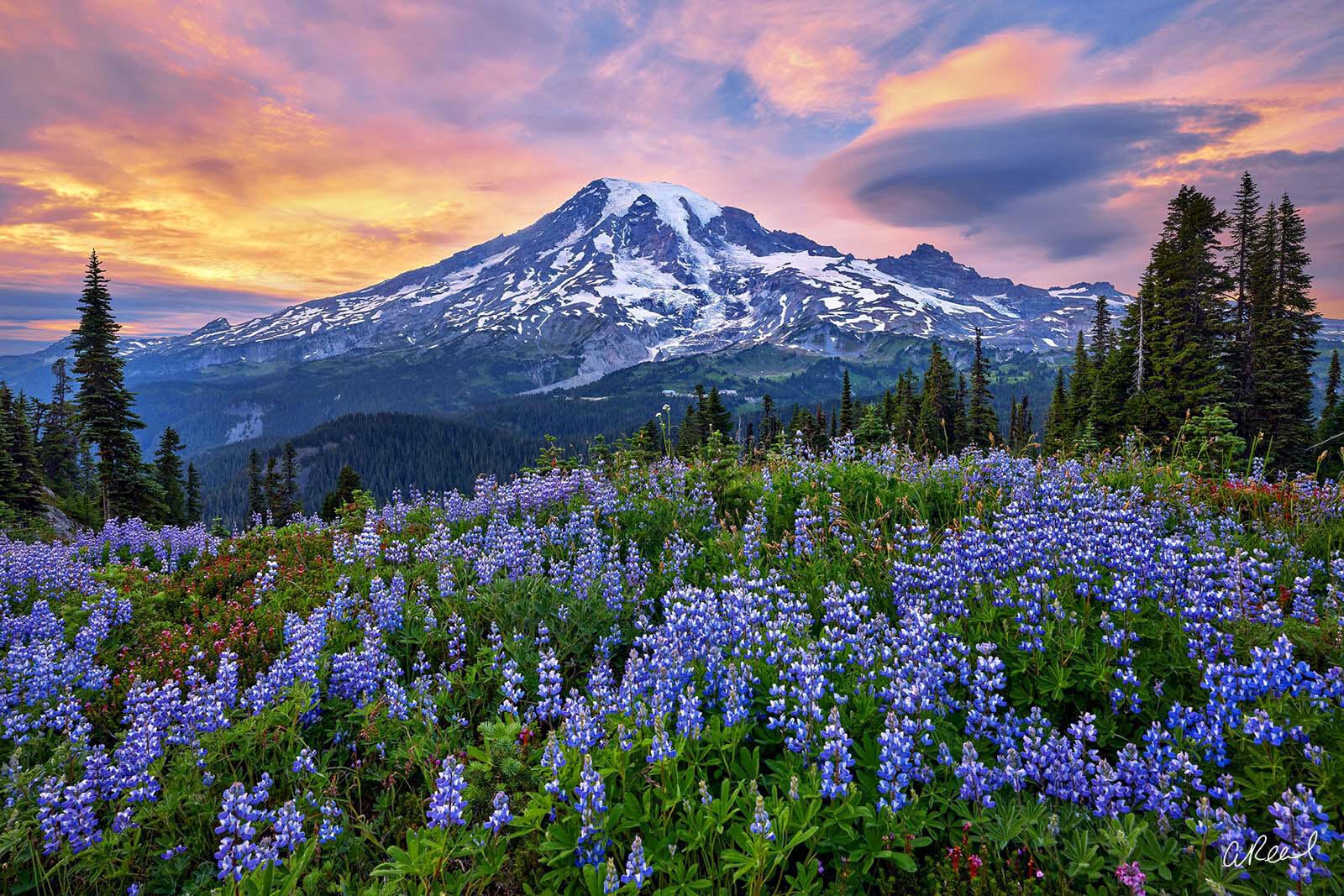
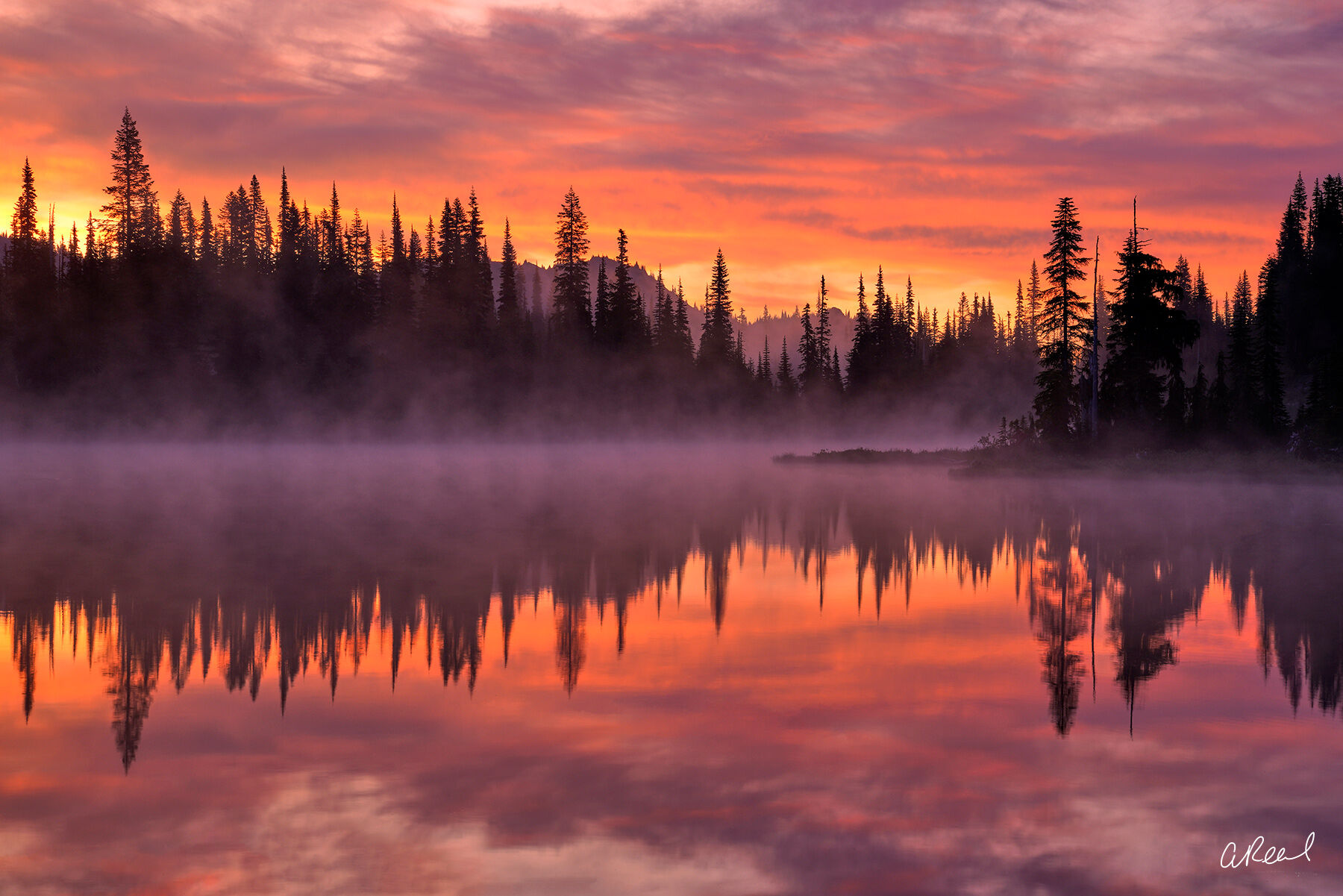
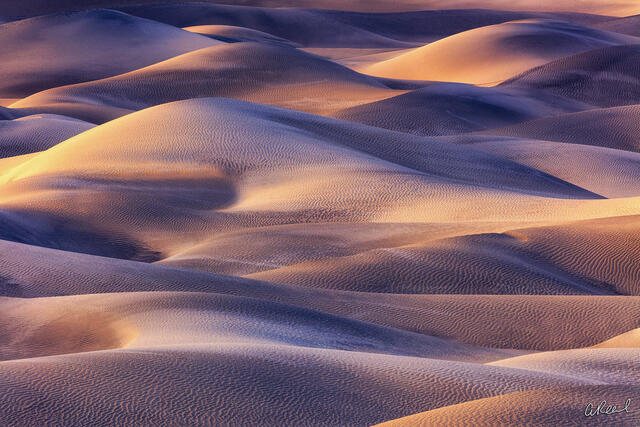
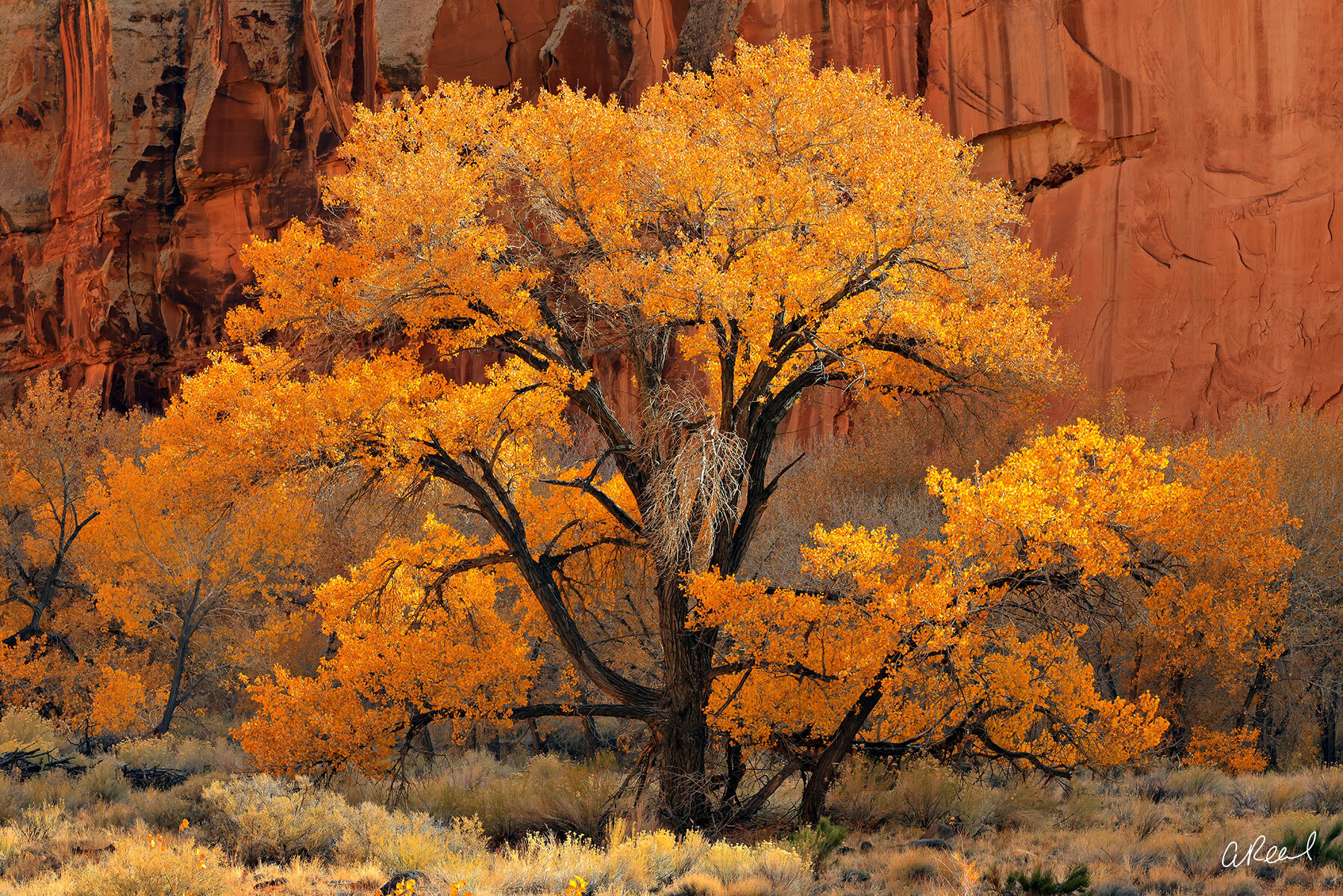
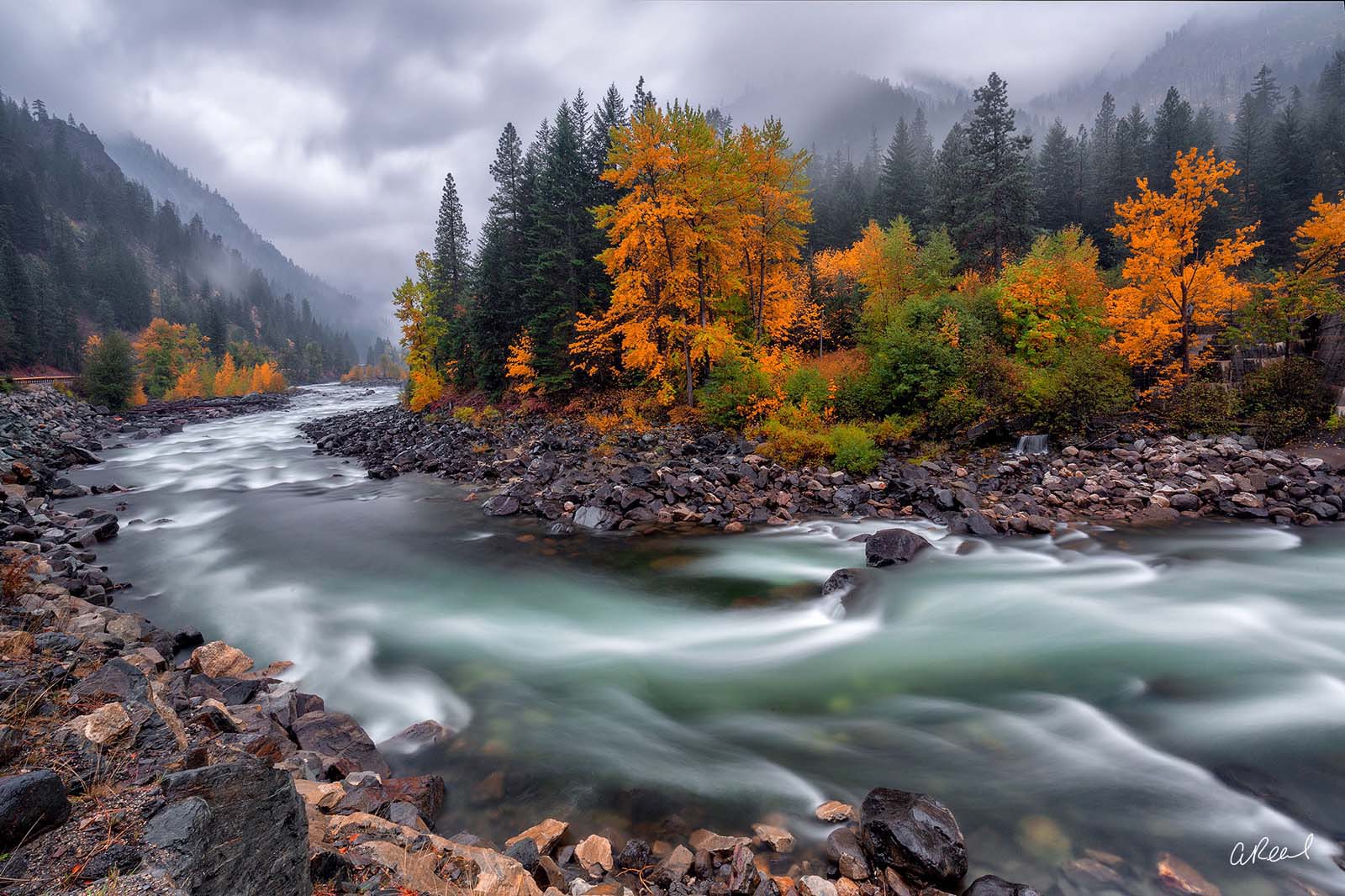
1. Large Scale Landscapes That Create Visual Calm - Personal collectors and corporate office buyers alike are prioritizing visual breathing room. Wide, expansive landscapes (mountains, forests and desert scenes) are being used to soften interiors and reduce visual stress. The most popular of these have a sense of depth, drawing viewers away from the problems of their everyday lives and into feelings of their happy place. These types of scenes are especially popular in living spaces with large walls, medical and dental offices and corporate waiting areas.
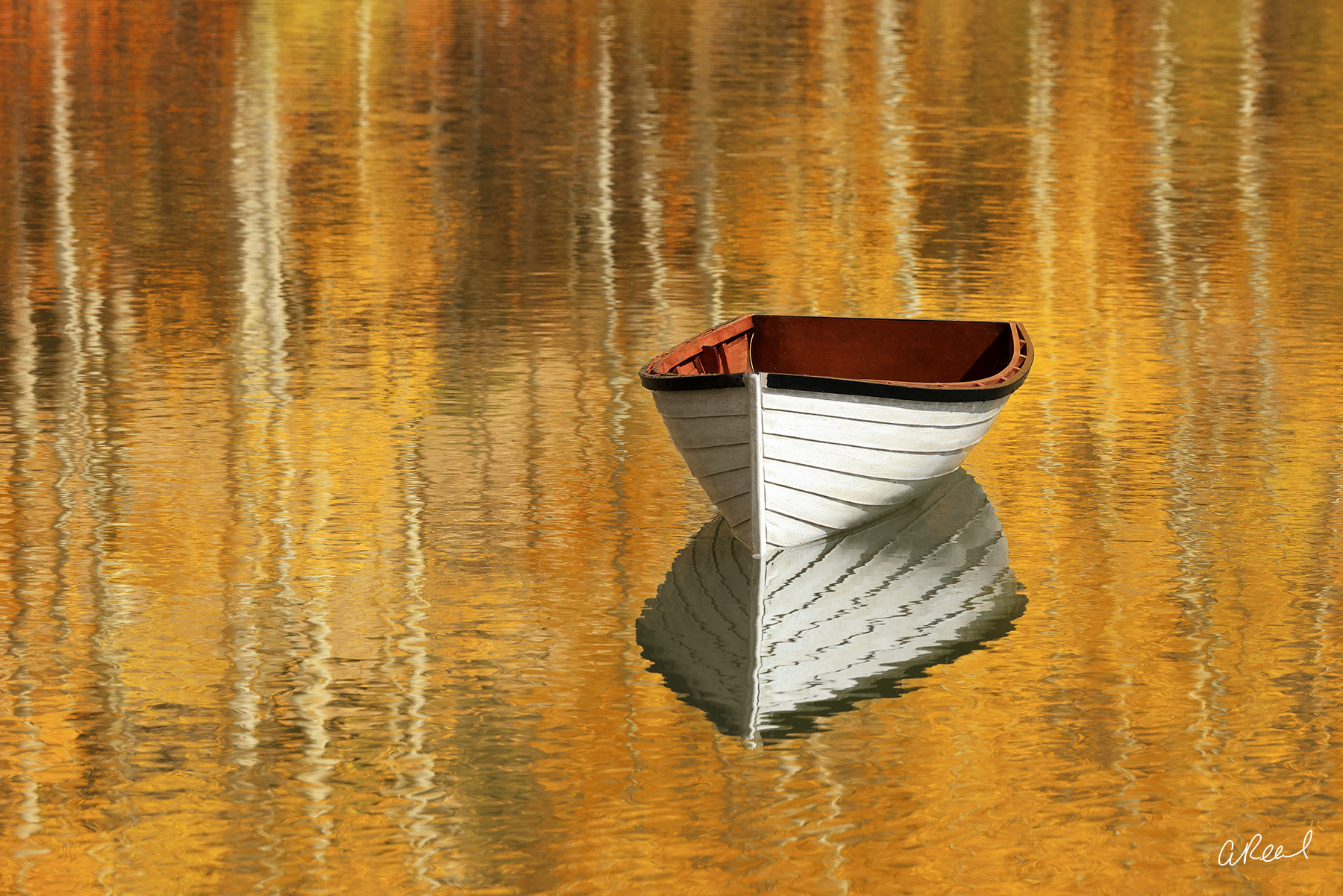
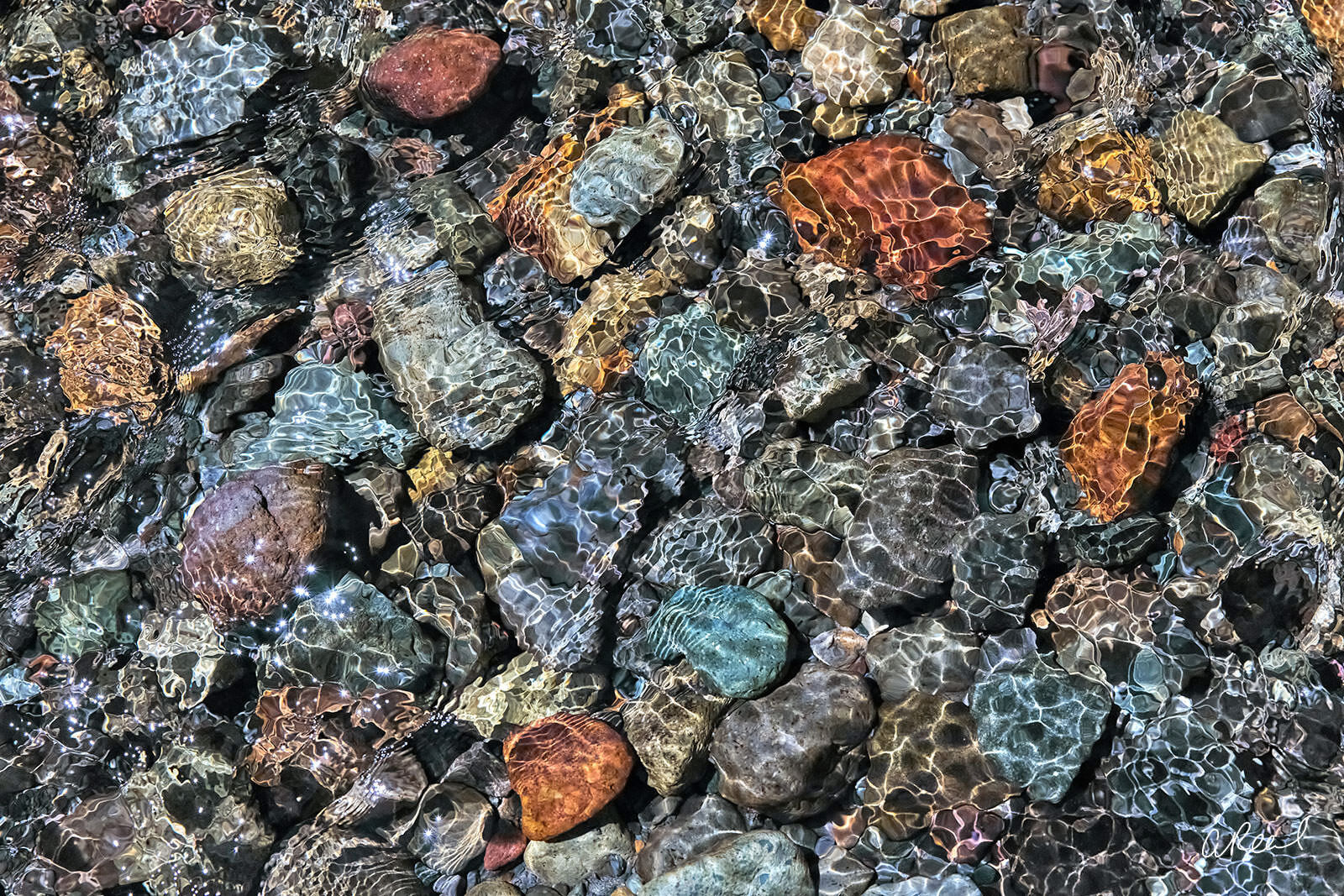
2. Quiet, Thought Provoking Minimalism - In 2026, collectors, turned off by the impact of garish AI generated "photographs" are turning toward subtlety and introspective work. Abstract nature photography as well as soft light and simple compositions all stand out as preferred works of art in recent years and I expect that trend will continue in the foreseeable future as collectors search out authentic works.
3. Nature Prints Designed for Professional Spaces - Doctors and dentists are some of the most intentional art buyers I work with. In 2026, they're looking for artwork that calms anxious patients with neutral, natural color palettes and subjects that feel universally approachable. Limited edition nature photography works particularly well here because it feels elevated without being pretentious—and personal without being polarizing.
Why Buy Directly From The Photographer?
In 2026, collectors increasingly prefer buying direct - and for good reason. When working directly with the artist you know the edition is real, can ask questions about the artists process and intent and you are supporting the artist who created the work. In a world where AI threatens to take all of our jobs and turn us into slaves, supporting real people matters so much more.
You are also able to get a more personable experience all without paying inflated corporate costs or dealing with disconnected staff who don't truly care about you or your experience on a personal level. If you read reviews from my collectors you will see that the way they felt treated is often times mentioned, sometimes even above the art itself. I have always gone the extra mile for every collector I have worked with no matter who they were or how much they spent.
Final Thoughts: Collecting With Intention
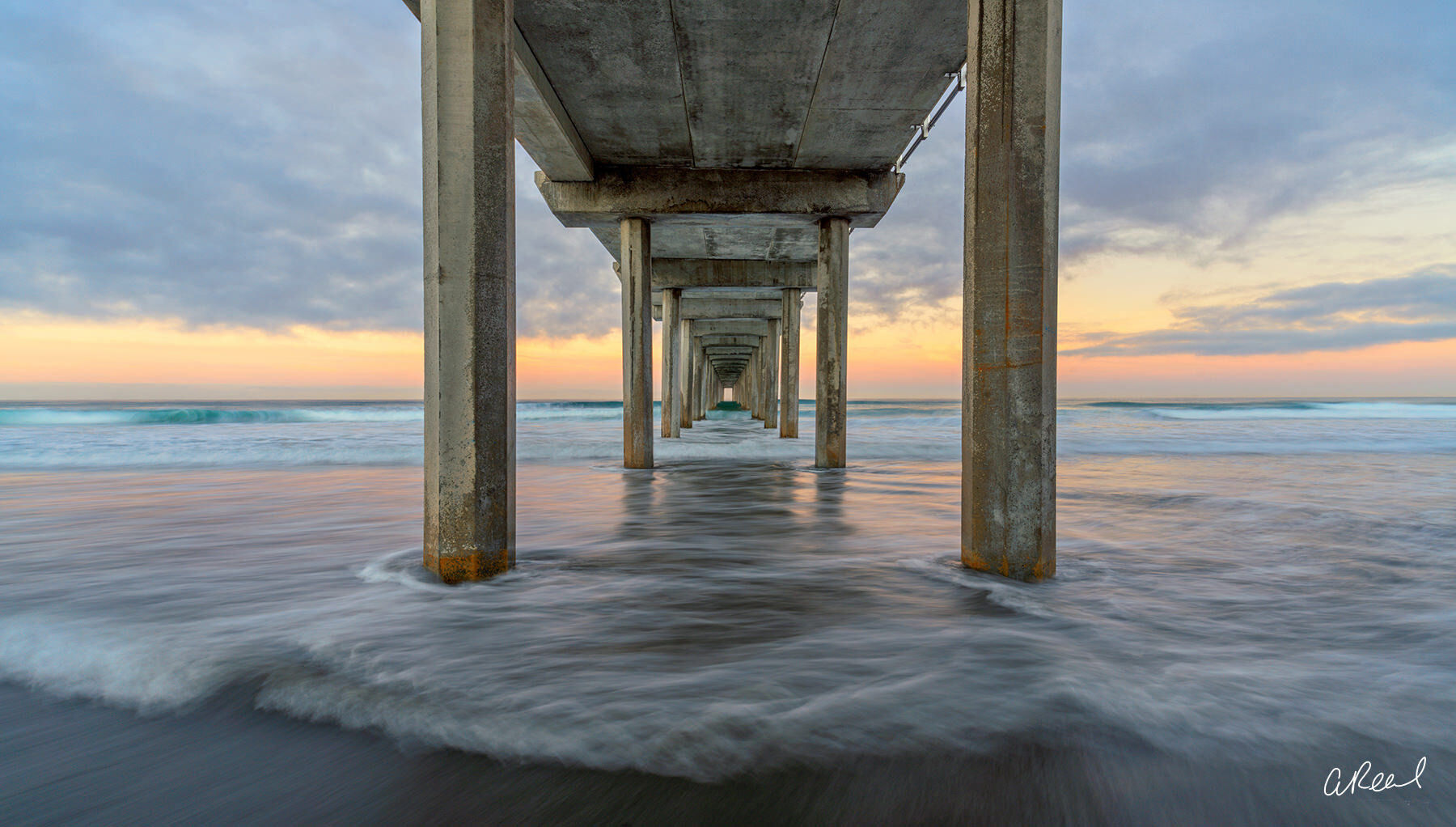
Limited edition nature photography isn’t about chasing investment trends—it’s about owning work that holds meaning, quality, and presence. In 2026, the most valuable prints will be the ones that are created slowly and intentionally, are printed to museum standards and are released in truly limited quantities. This creates artwork that continues to resonate long after the purchase.
Finally, if you're considering your first limited edition print, or adding to an existing collection - start by choosing work that you’d miss if it weren’t there. That’s usually the best indicator that it’s worth collecting. If you'd like to see my most popular prints of 2025, including some I expect to sell out in 2026, have a look at the work below or the image galleries across this site.