Sunrise to Sunset Photography Pictures

Sunrise and Sunset Pictures

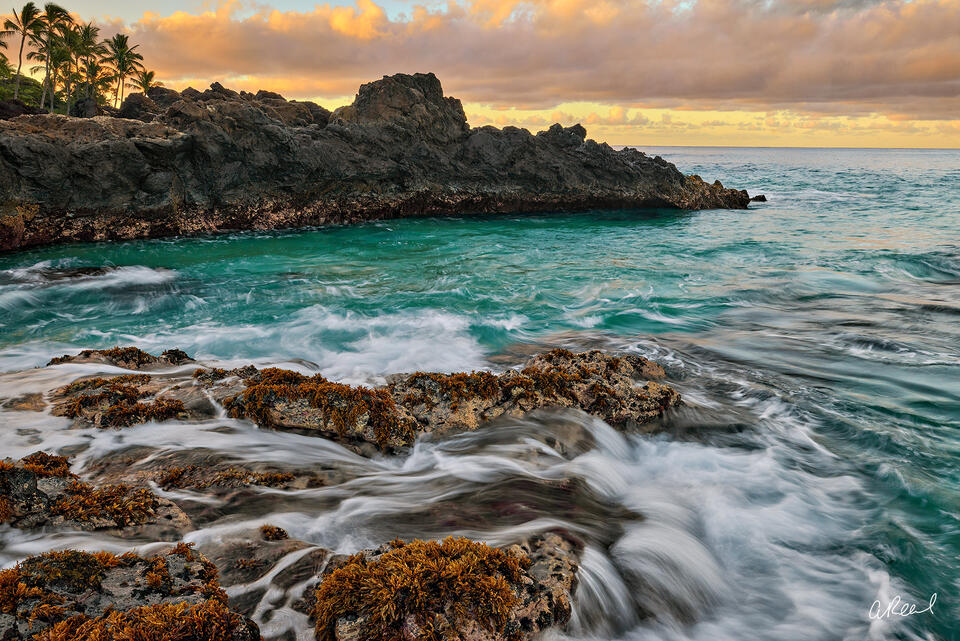
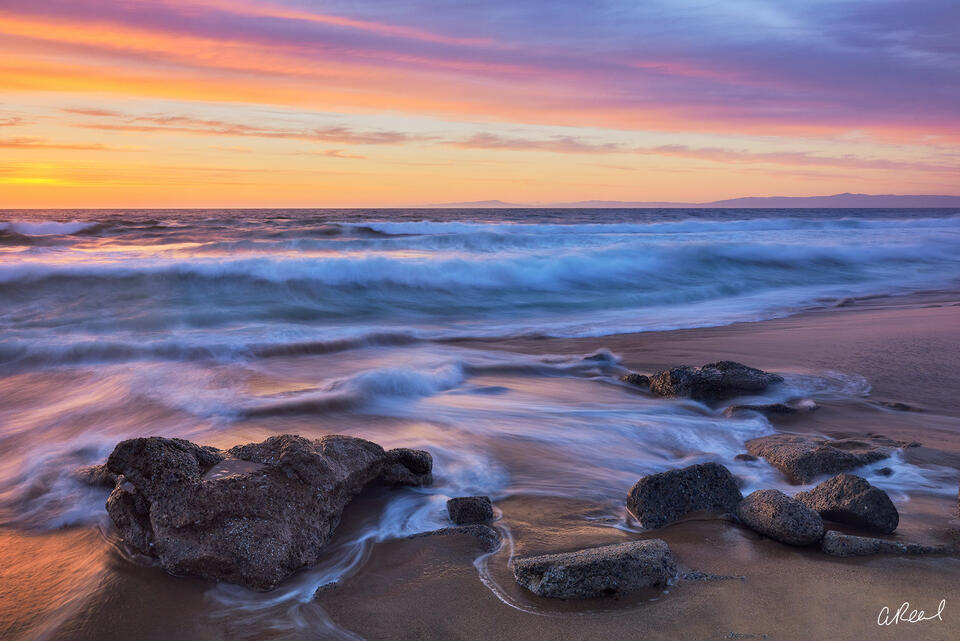
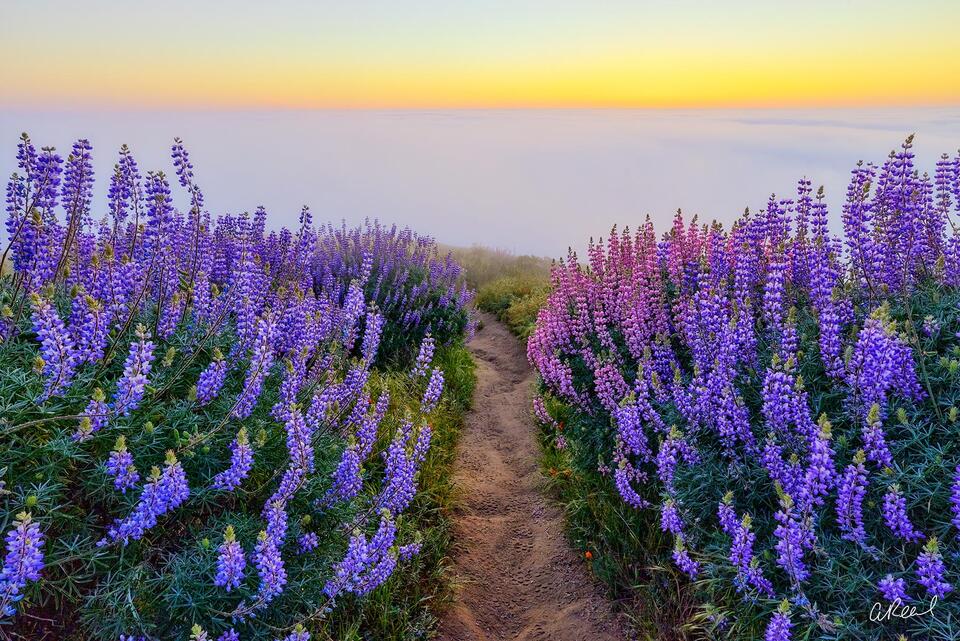
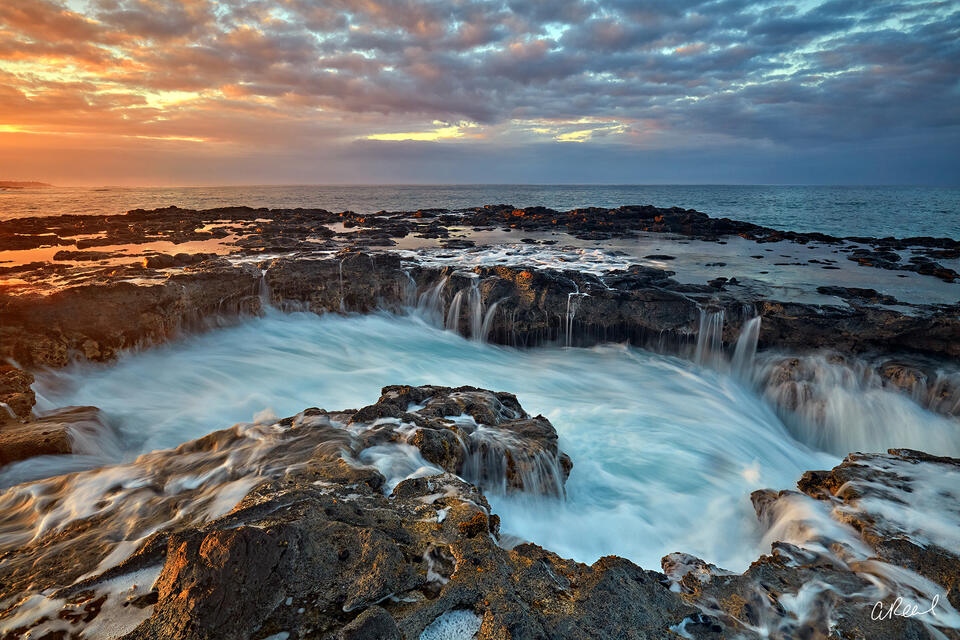
The sky tells a story twice a day—once at dawn, when the sun stretches its golden fingers across the horizon, painting the world in soft hues of pink and amber, and again at dusk, when it bows gracefully, dissolving into a canvas of fiery oranges and deep purples. The sunrise is a promise, whispering of fresh beginnings and untold possibilities, while the sunset is a farewell, wrapping the earth in a warm embrace before nightfall. In these fleeting moments, the world stands still, caught between the hush of waking and the sigh of rest, as light dances upon the edges of time.

This collection is an online photography gallery showcasing the beautiful colors and quality of light that can be found during sunrise and sunset by artist Aaron Reed. I invite you to explore the gallery below, as well as my newest limited edition releases and the rest of my original nature photography collections.

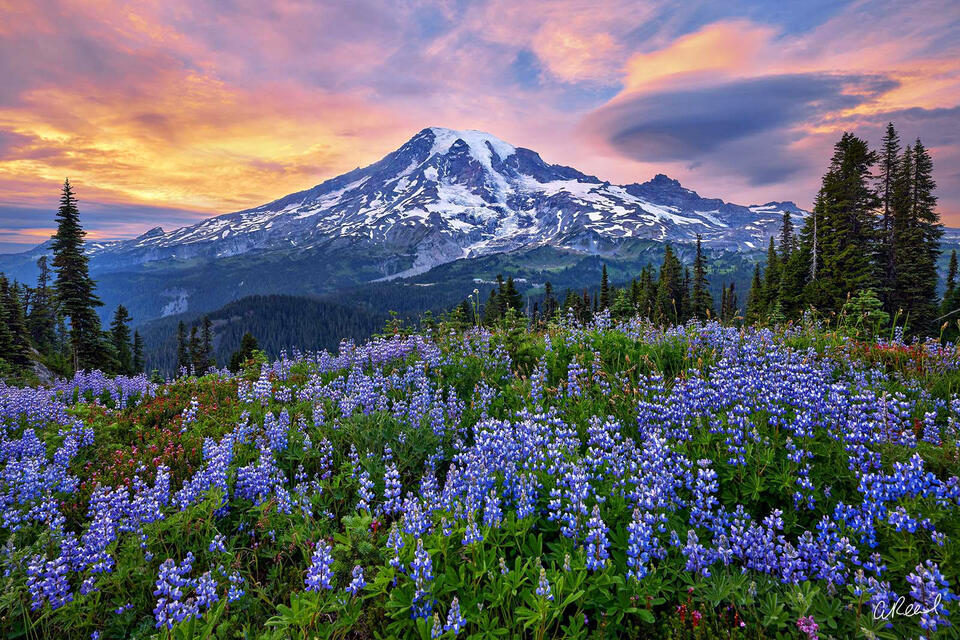
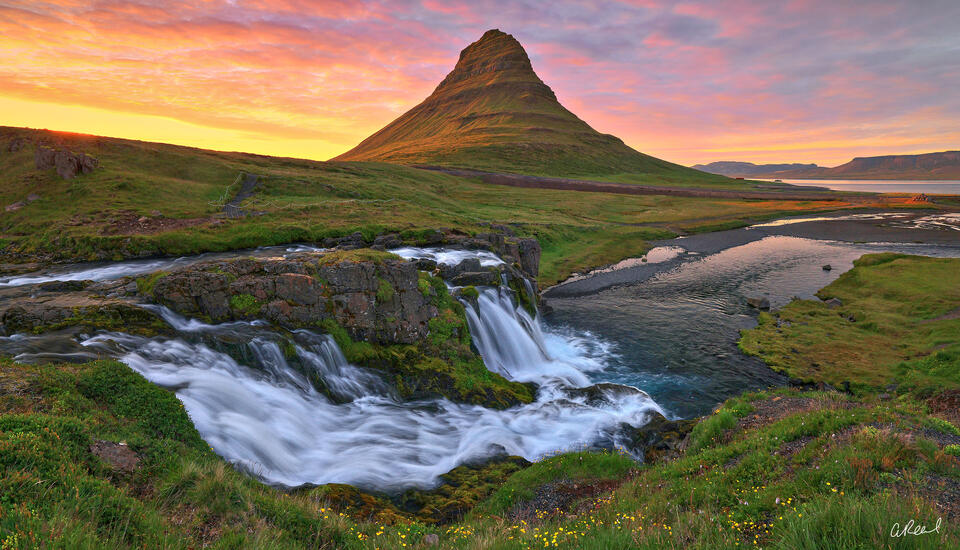
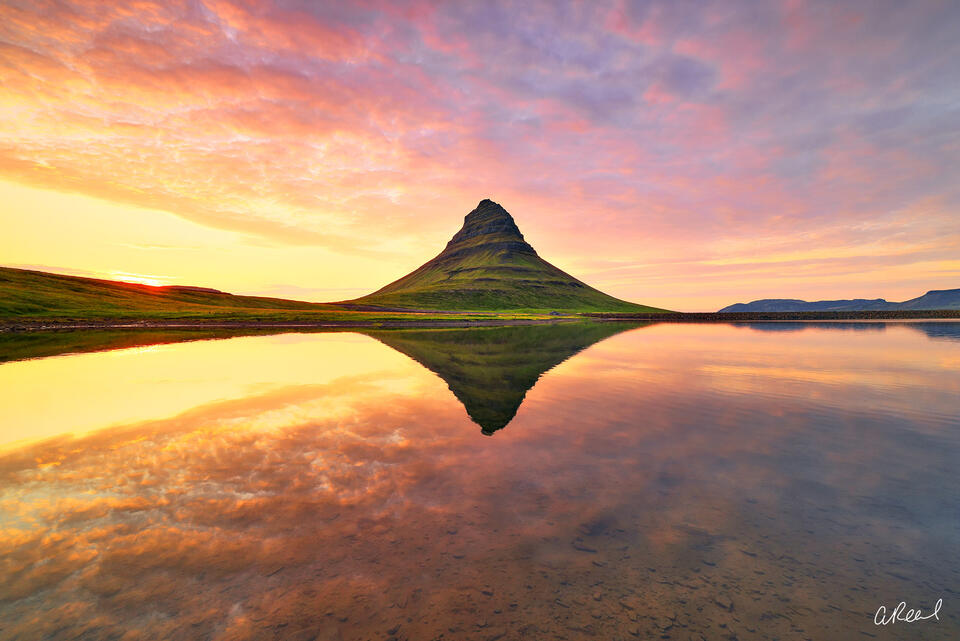
Let There Be Light
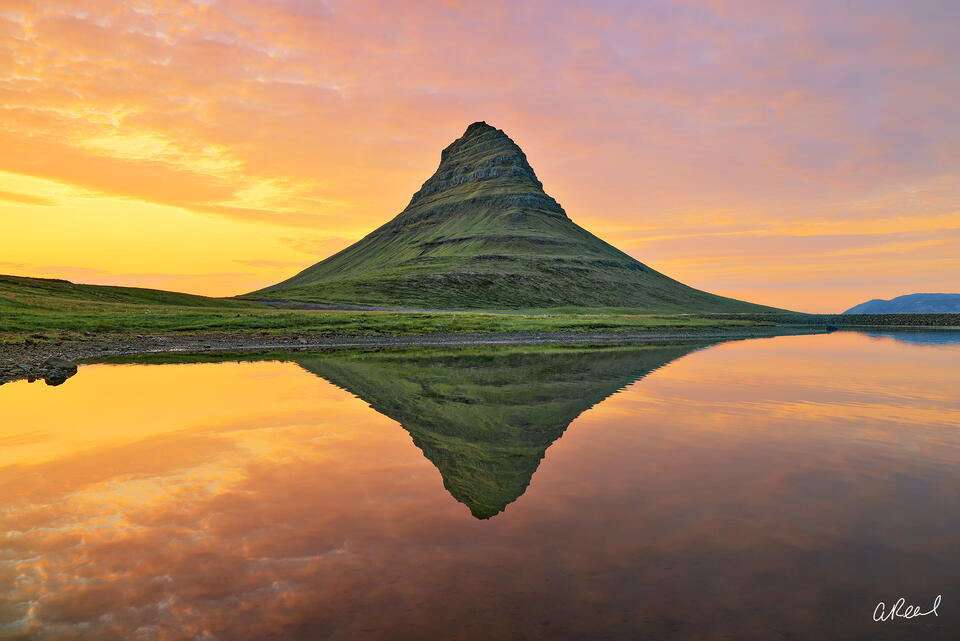
Kirkjufellsfoss, Iceland
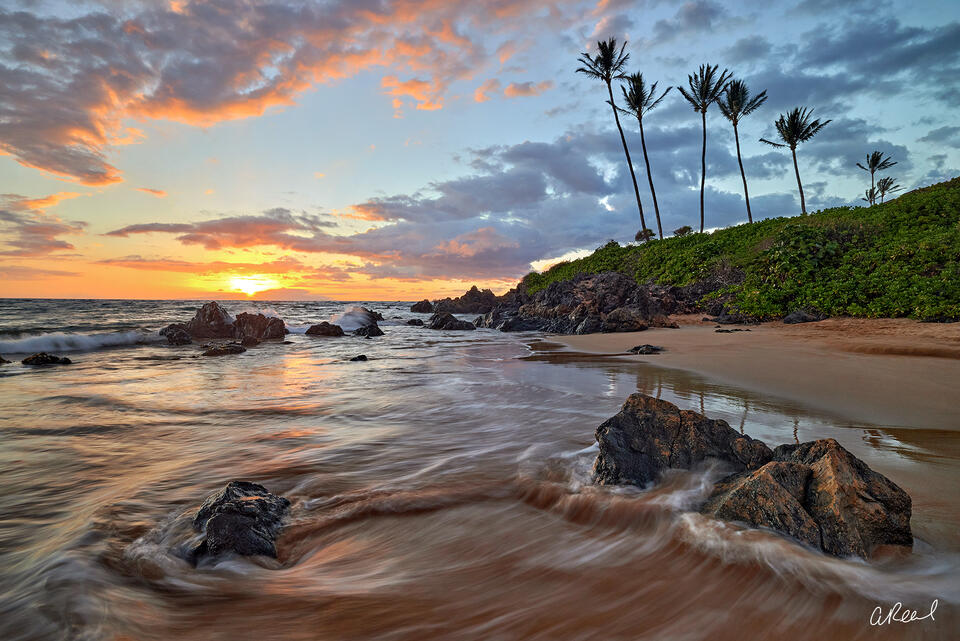
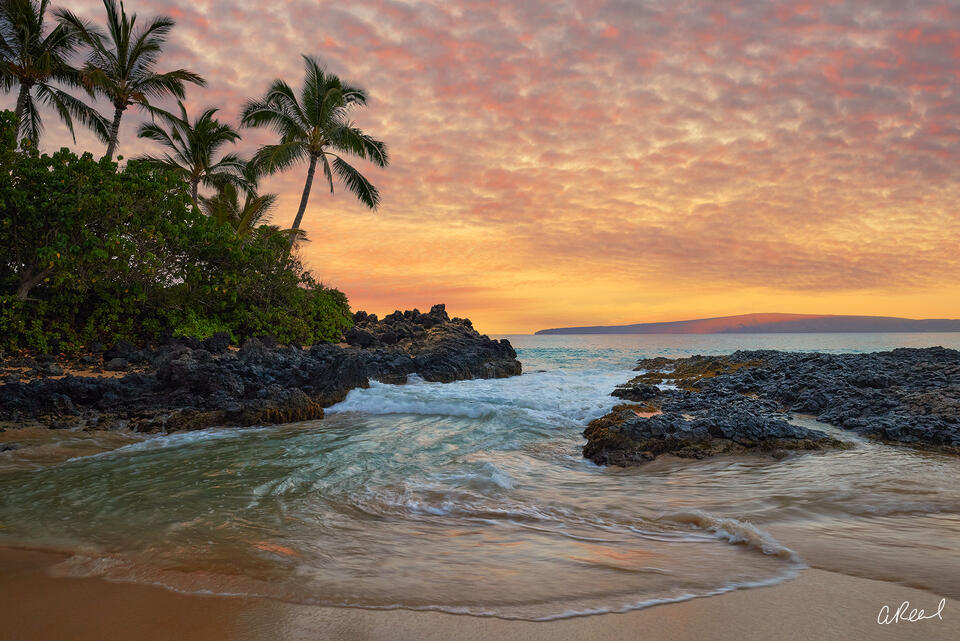
Nightfall
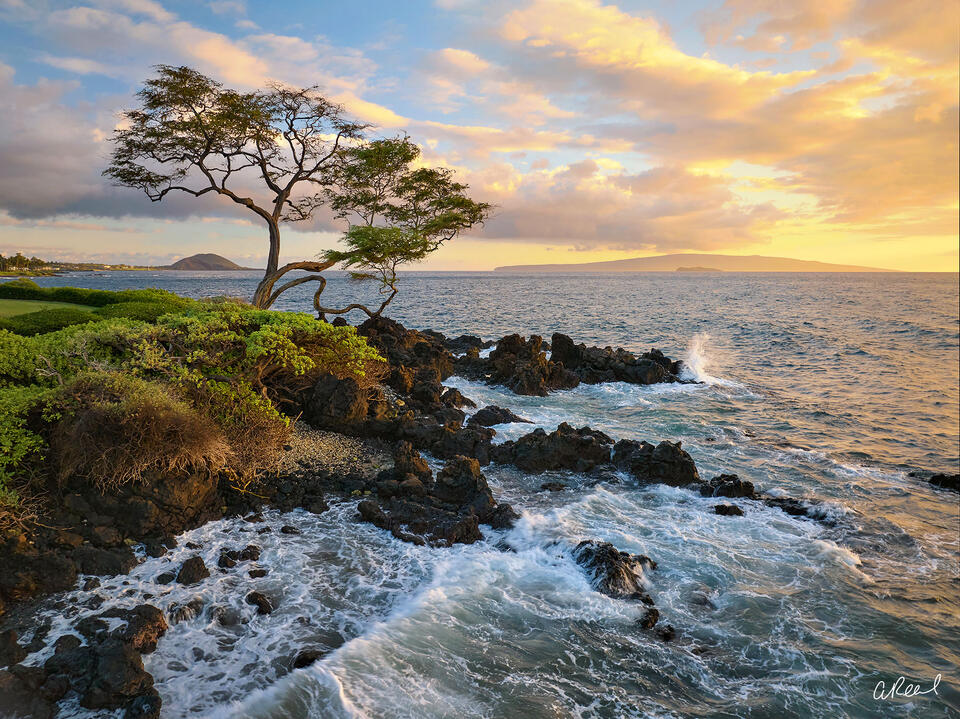
Secret Beach, Maui
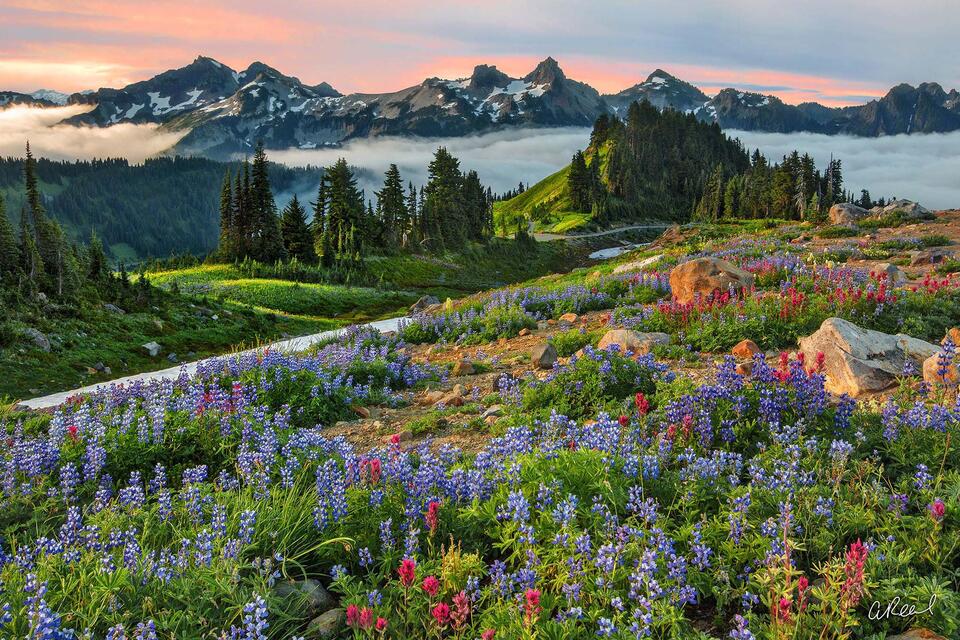
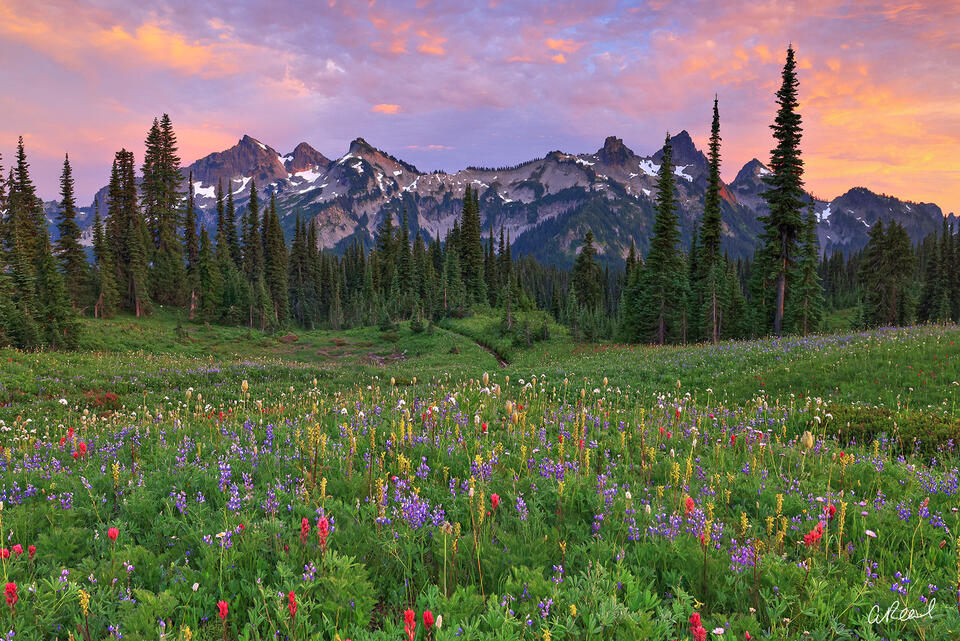
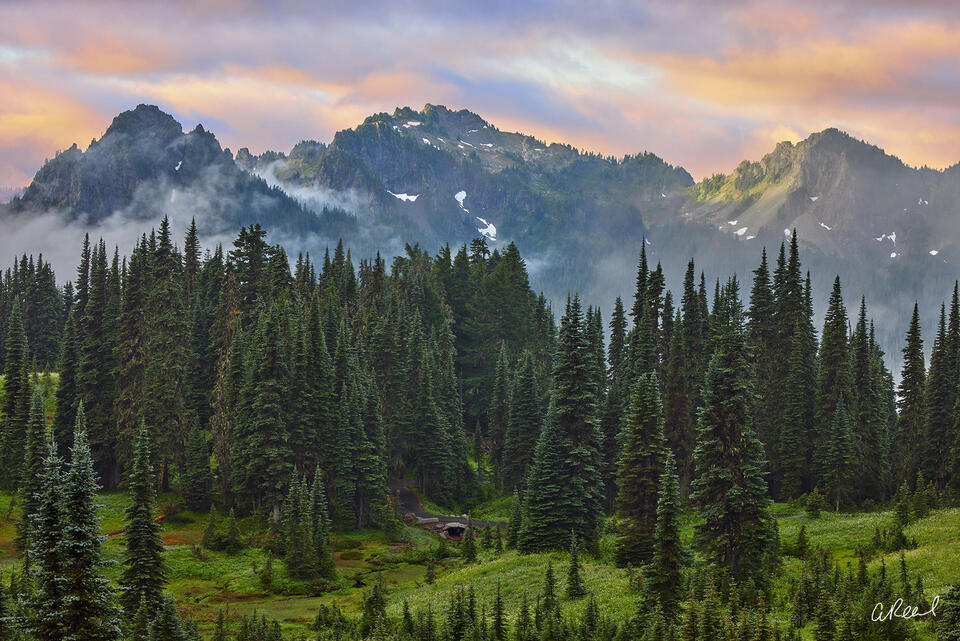
The Revealing
Mt Rainier National Park
Morning Fire
Mt Rainier National Park
SkyFire
Palouse Falls, WA
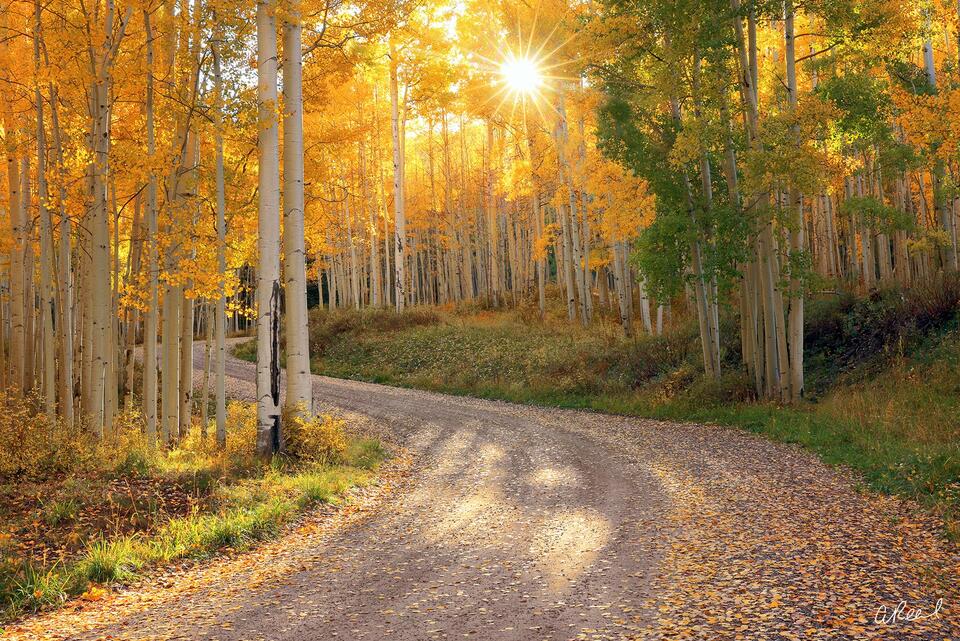
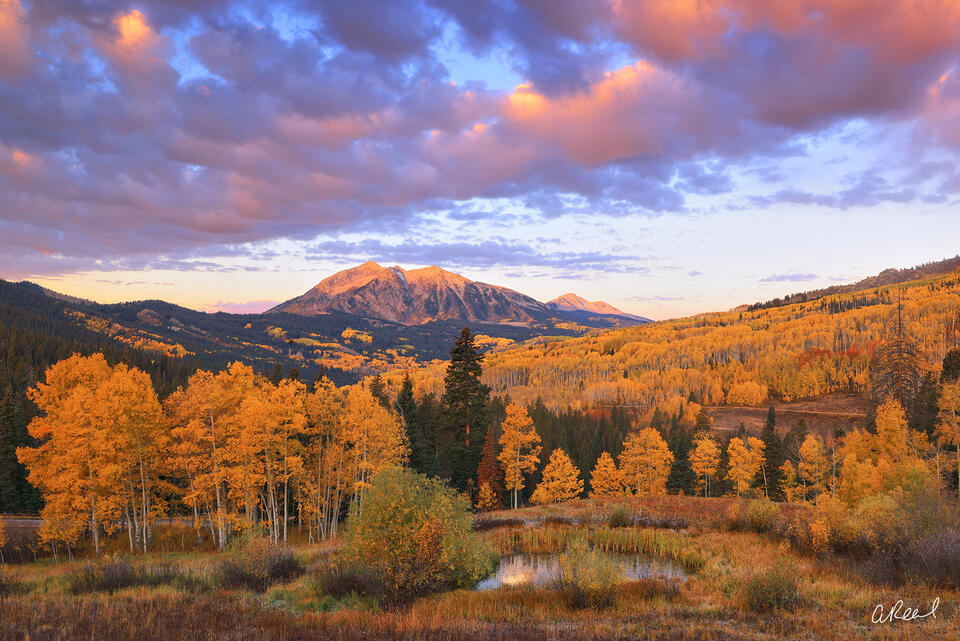
Golden Season
Last Dollar Road, CO
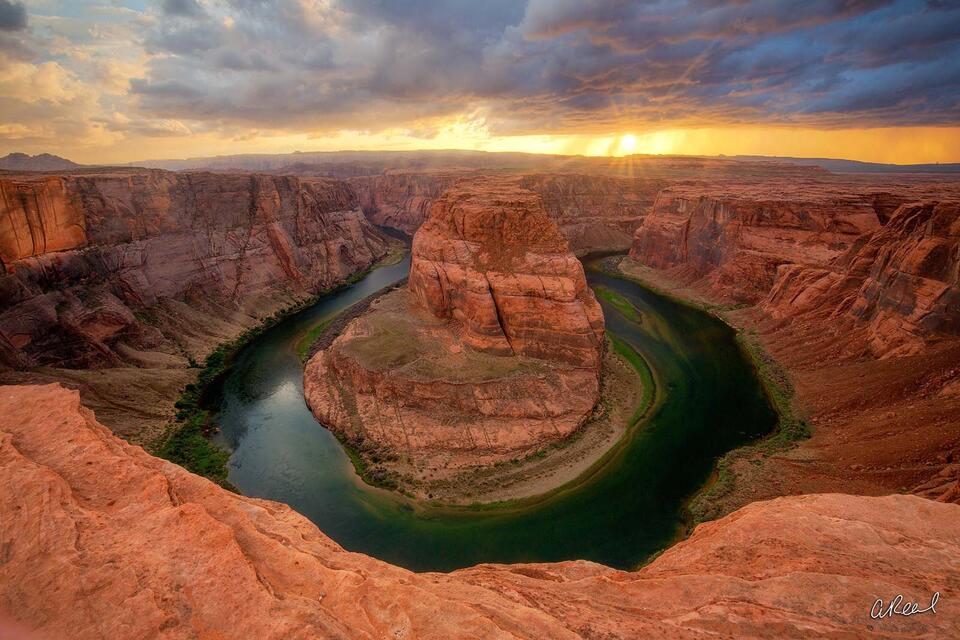
The Storm
Horseshoe Bend, AZ
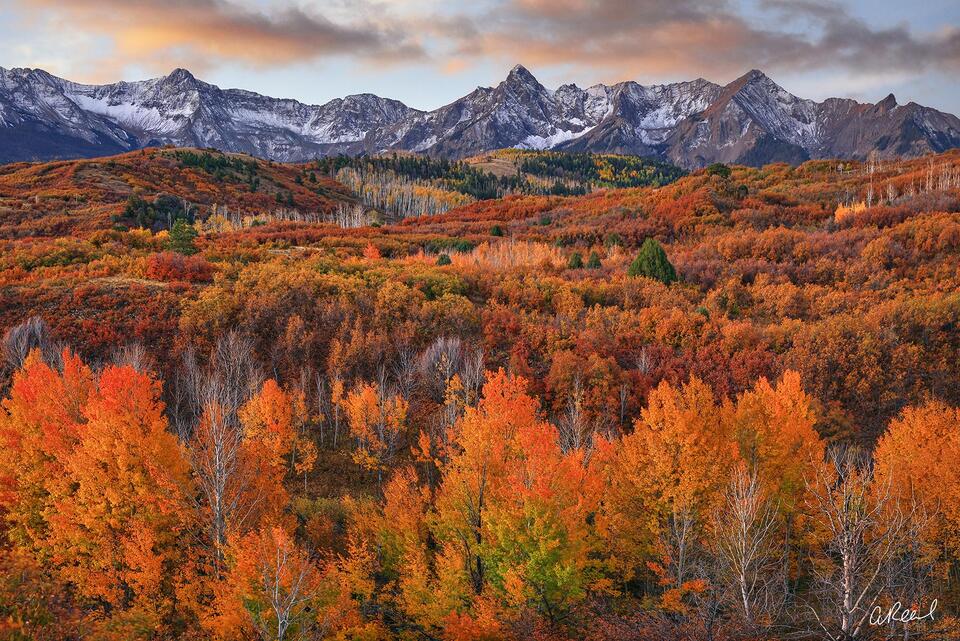
First Light
Dallas Divide, Colorado
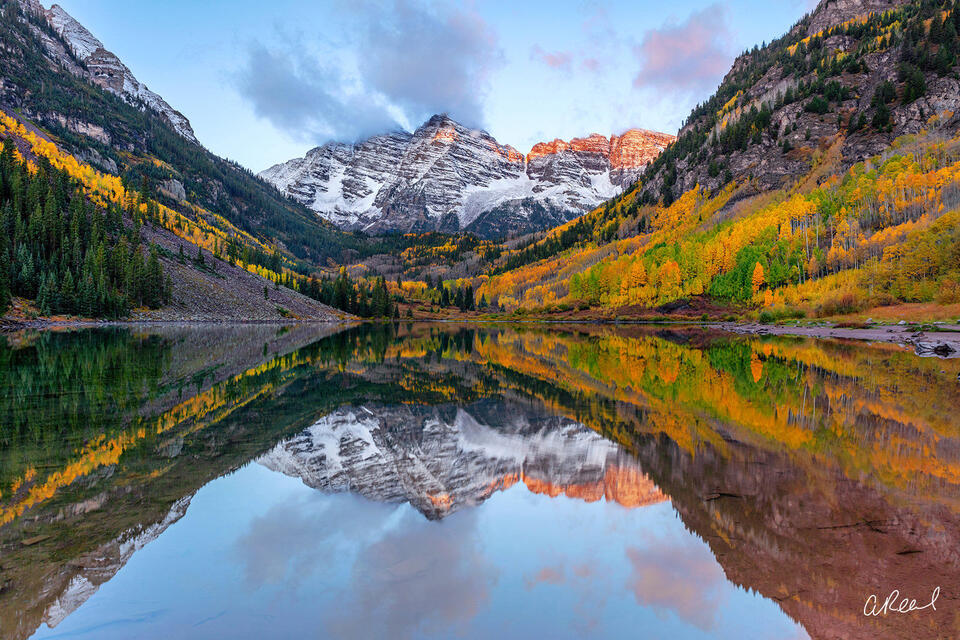
Glorious
Maroon Bells, Colorado
Eternal Beauty
Mt Rainier National Park
Fine art photograph of a winding road through golden aspens, sunlight filtering through white trunks.
Telluride, Colorado
Magical Moments
Kirkjufell, Iceland
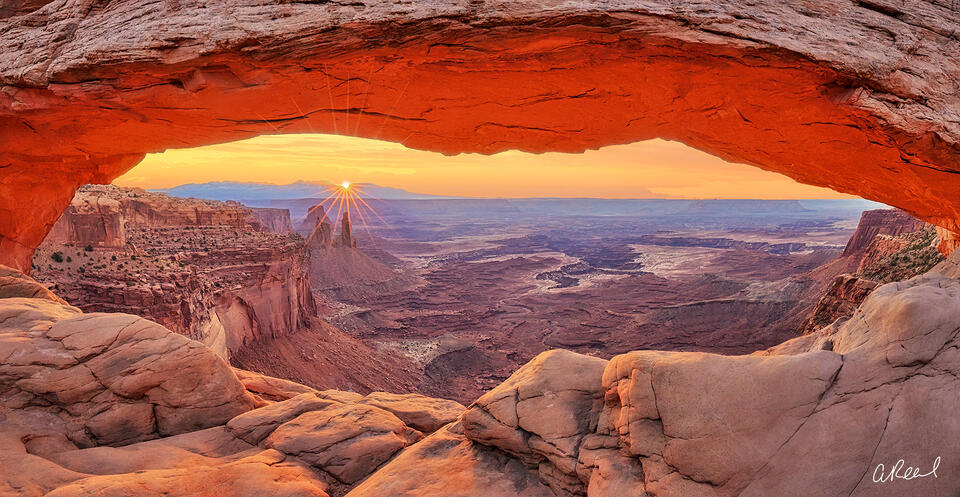
The Window
Mesa Arch Canyonlands, Utah
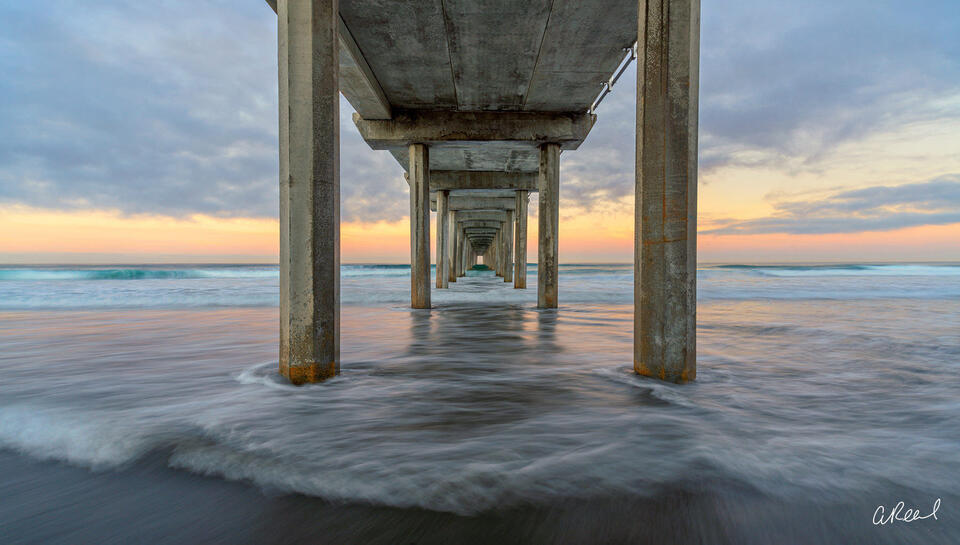
Out To Sea Pano
Scripps Pier | La Jolla
The Red Carpet
Mt Rainier, WA
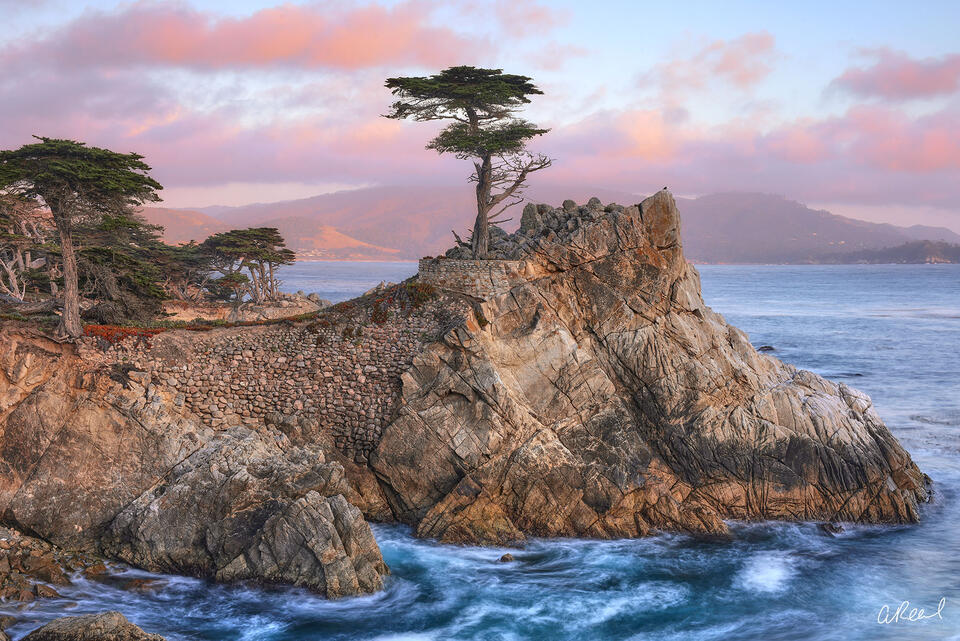
Fine art coastal photograph of a lone cypress on rugged cliffs above the Pacific at sunset.
Pebble Beach, CA
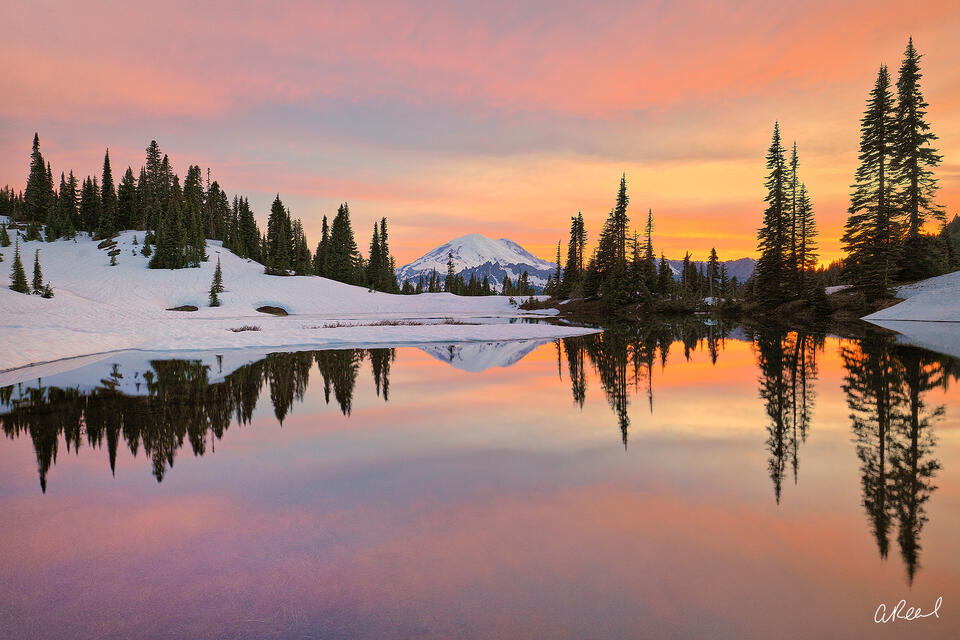
Snow-covered shores and evergreen trees surround a calm alpine lake at Tipsoo Lake, reflecting a vivid orange and pink sunset sky.
Tipsoo Lake | Mt Rainier National Park
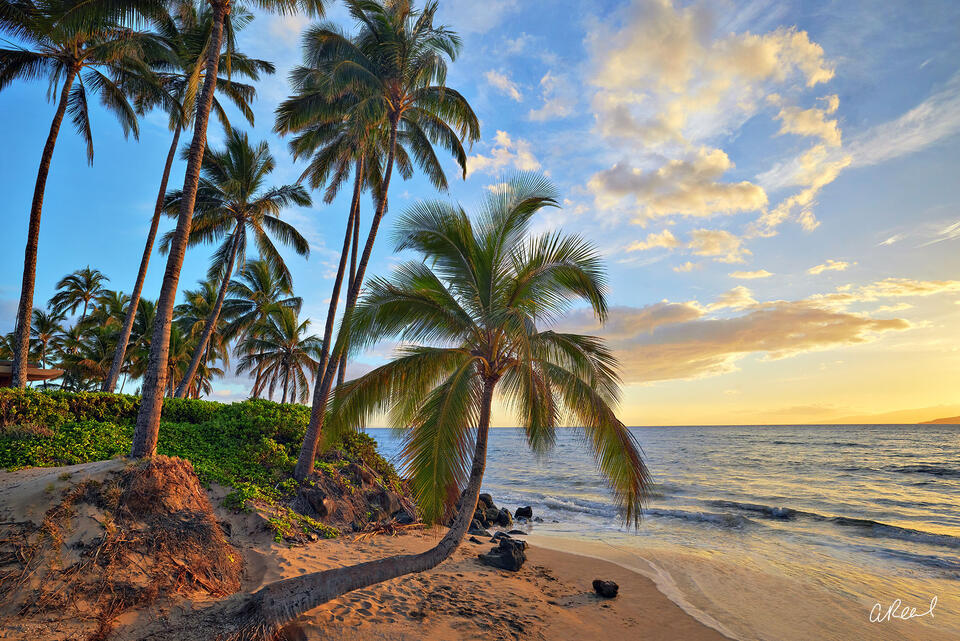
Lifted
South Maui, Hawaii
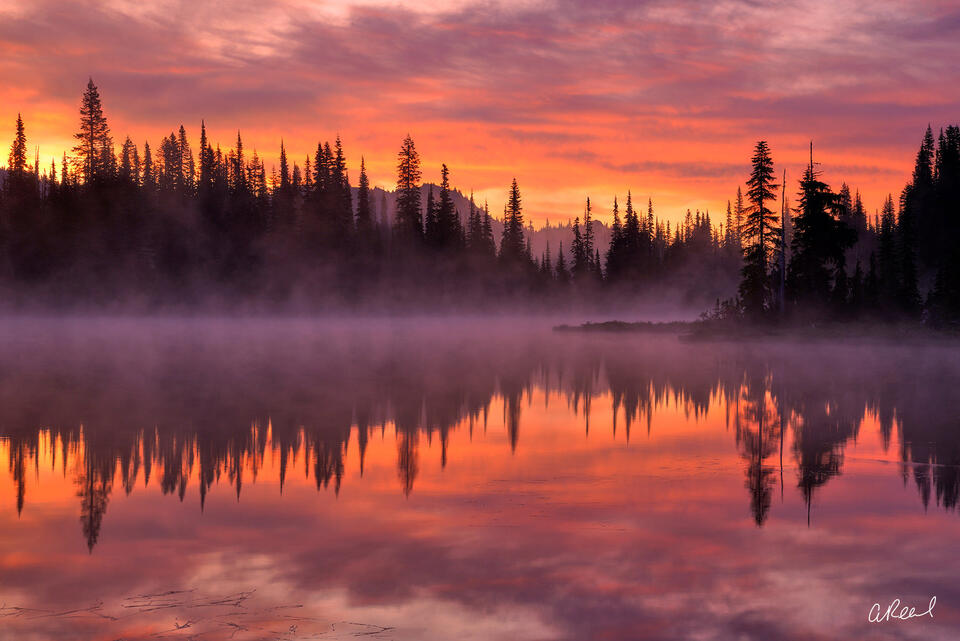
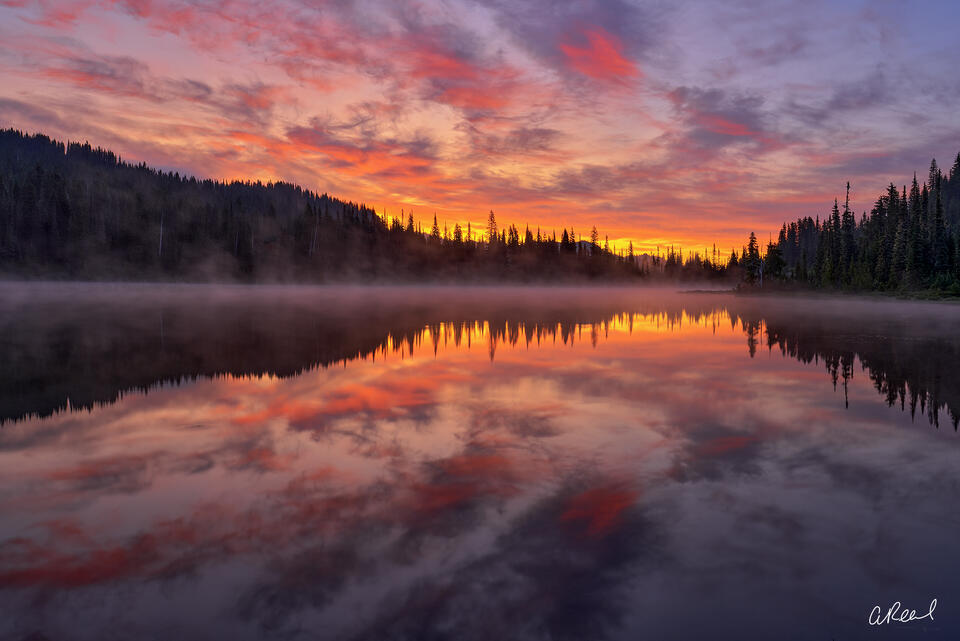
Slow Burn
Reflection Lakes, Mt Rainier
Maui Nights
Polo Beach, Hawaii
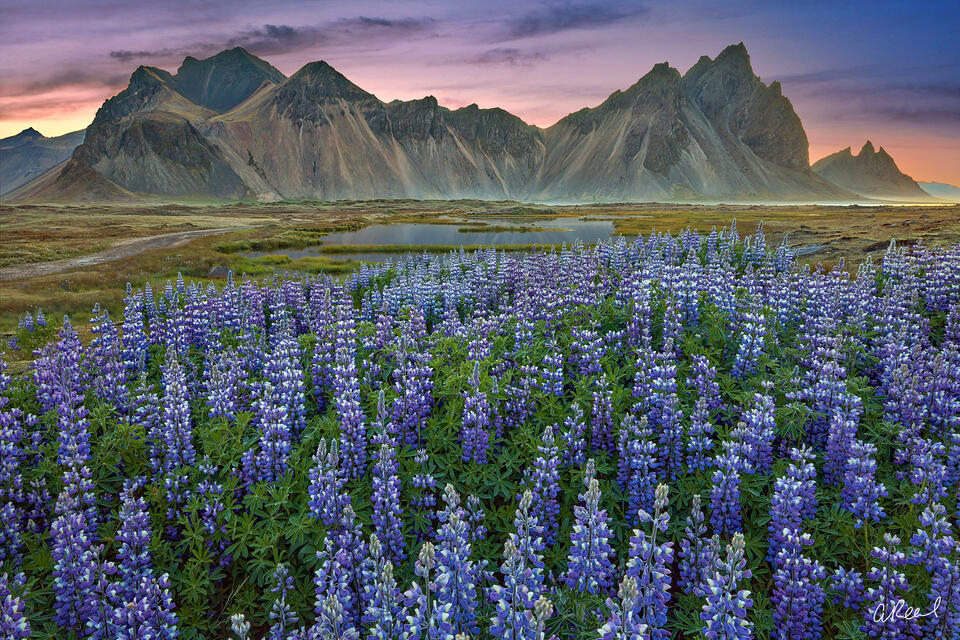
The Magic of Vestrahorn
Stokksnes Peninsula, Iceland
Diamonds In The Sky
Kirkjufell, Iceland
Spiritual Healing
Mt Rainier National Park, WA
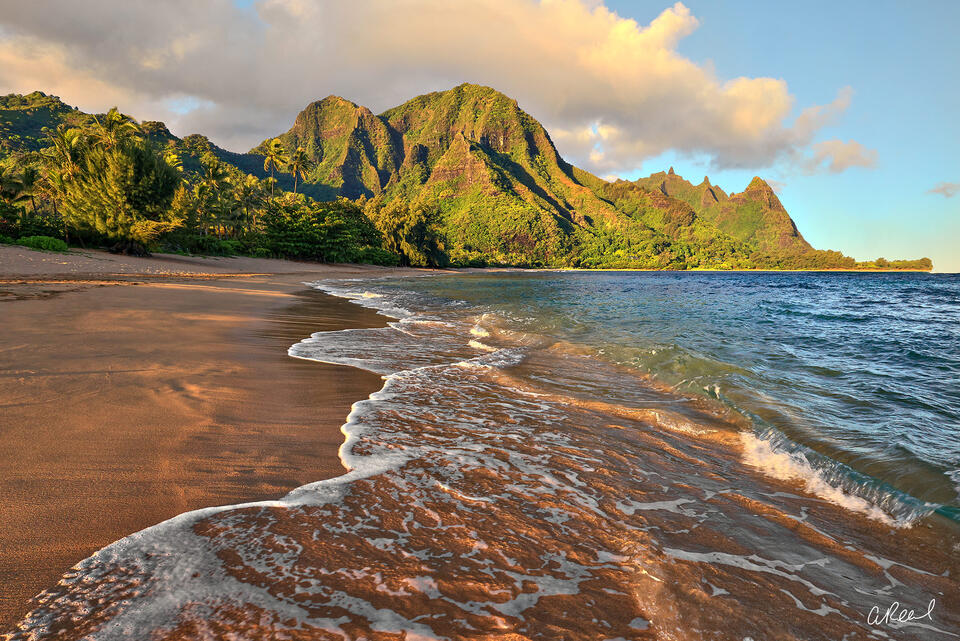
Summer Vibes
Tunnels Beach, Kauai
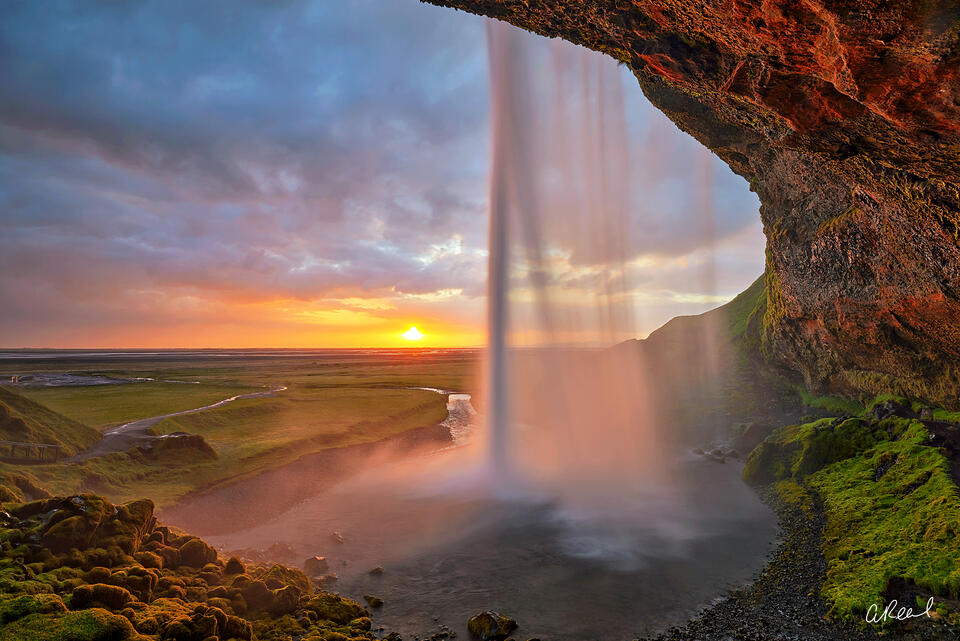
Two Minutes To Midnight
Seljalandsfoss, Iceland
Don't Wanna Go Home
Maui. Hawaii
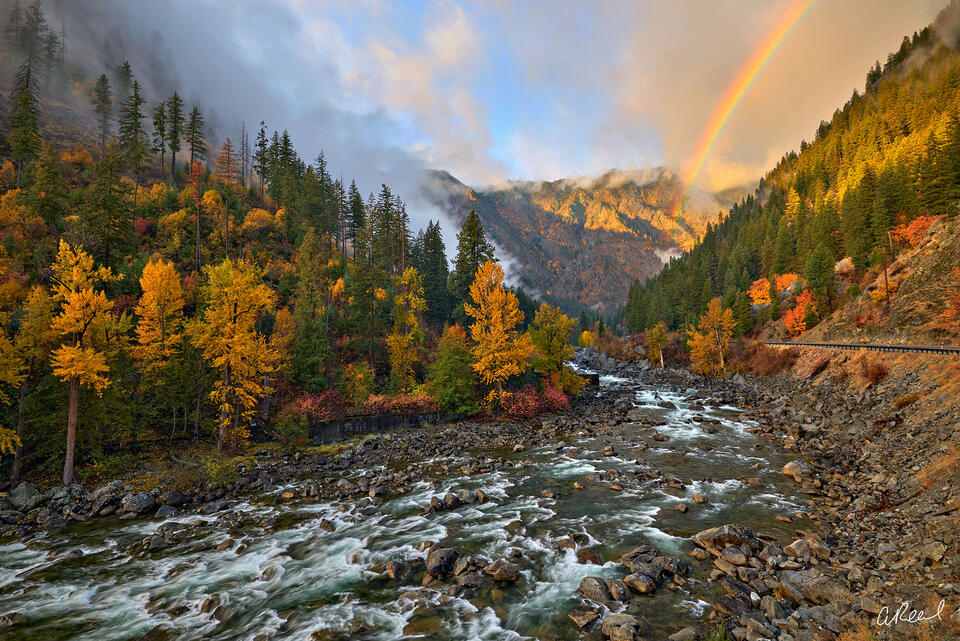
Taste The Rainbow
Leavenworth, Washington
Last Man Standing
Pebble Beach, California
Smoke On The Water
Big Sur, CA
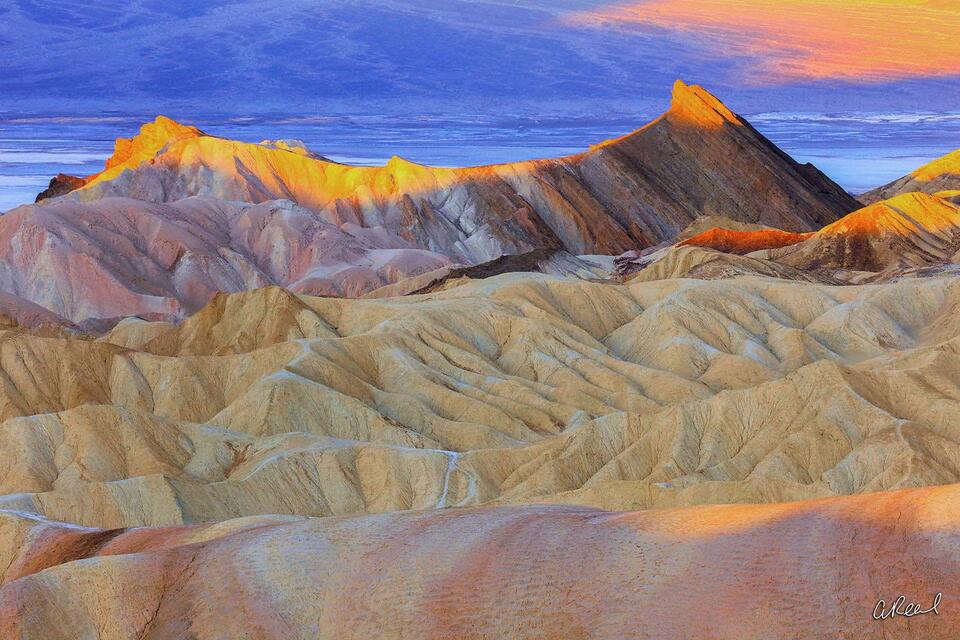
First Strike
Death Valley, California
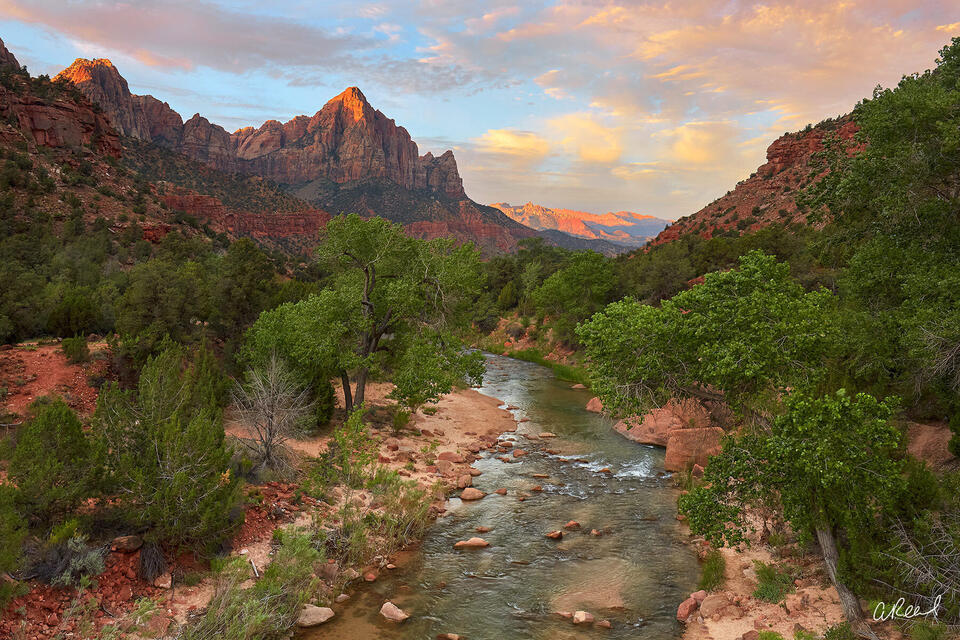
A Place Called Zion
Zion National Park, UT
Coal Mine Canyon
Coal Mine Canyon, Arizona
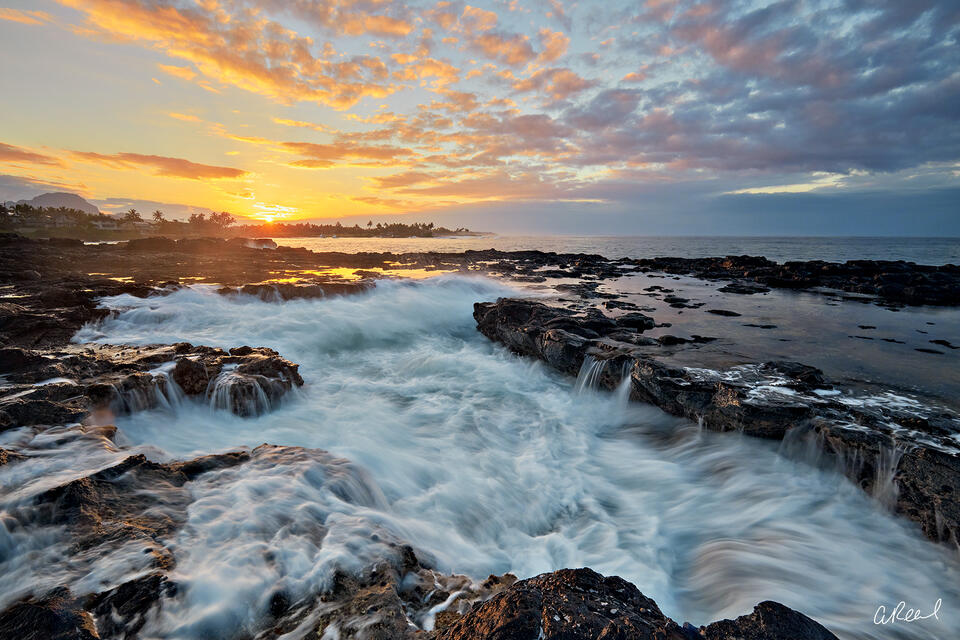
Eruption
Spouting Horn, Kauai
Green Diamonds
Kirkjufell, Iceland
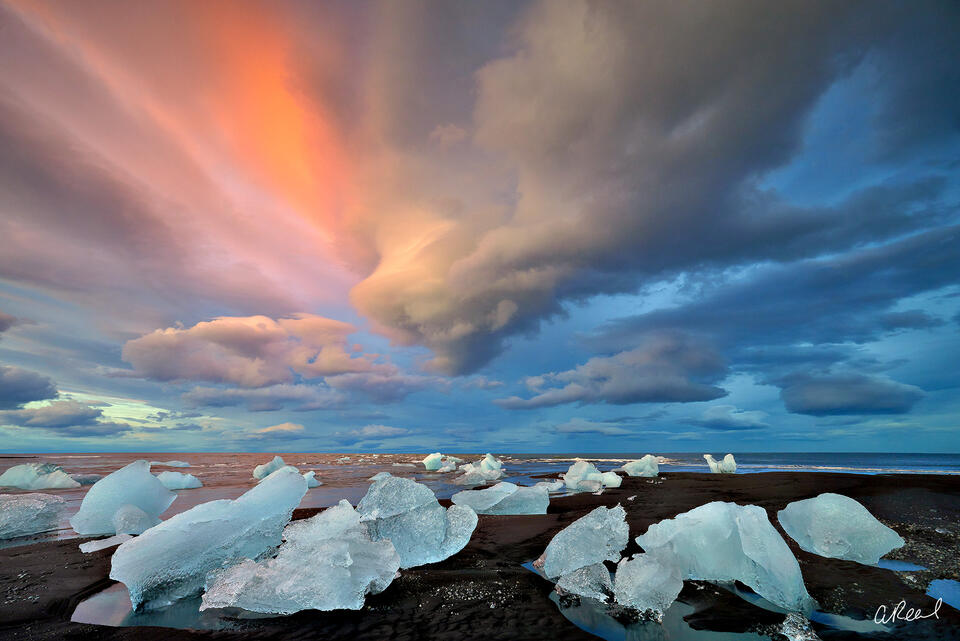
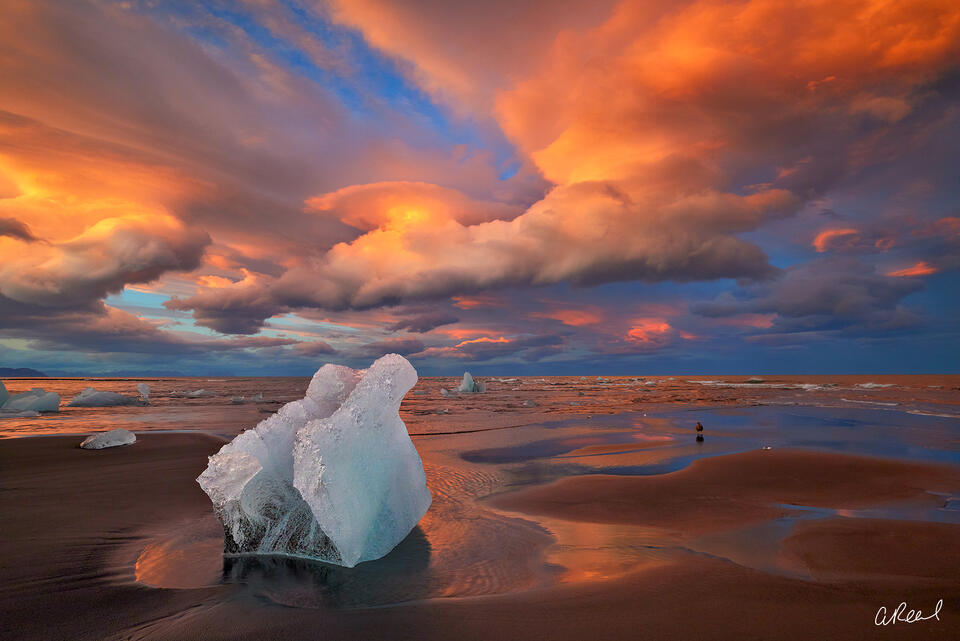
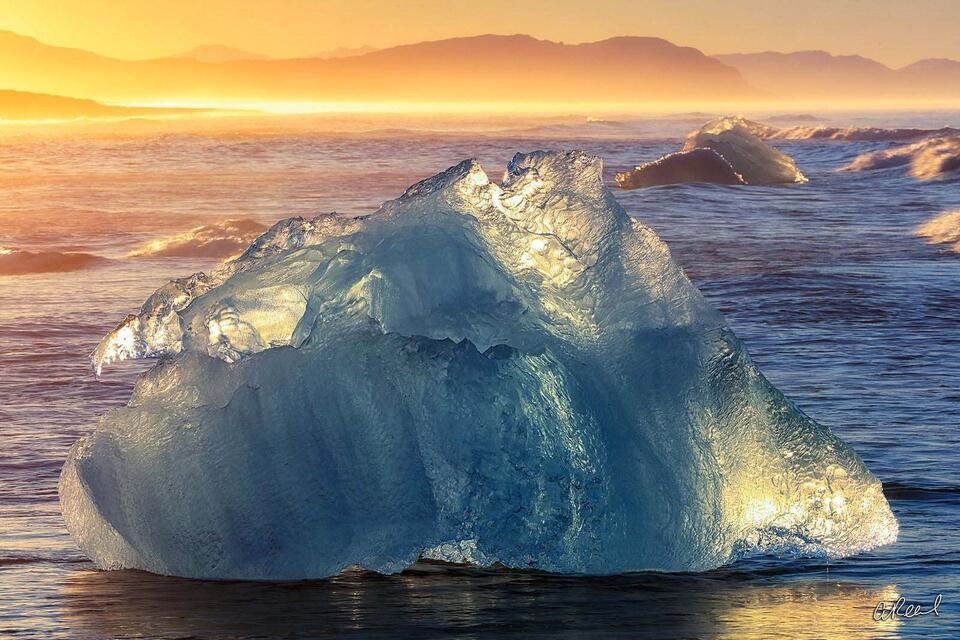
Hallelujah
Jökulsárlón, Iceland
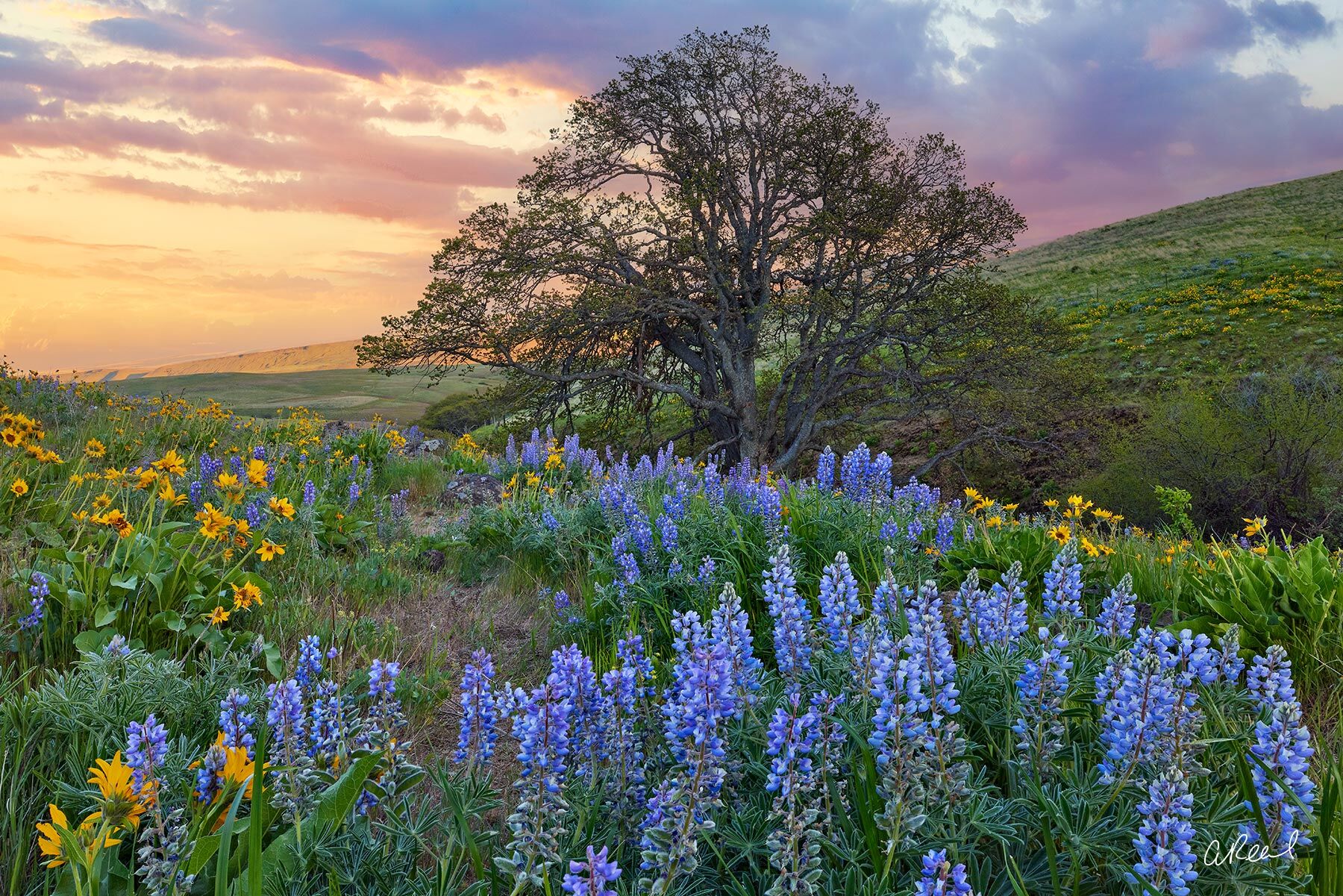
Tree Of Wisdom
White Pockets, Arizona
Fine art landscape print of a lone oak tree surrounded by spring wildflowers beneath a pastel sunset sky.
Columbia River Gorge
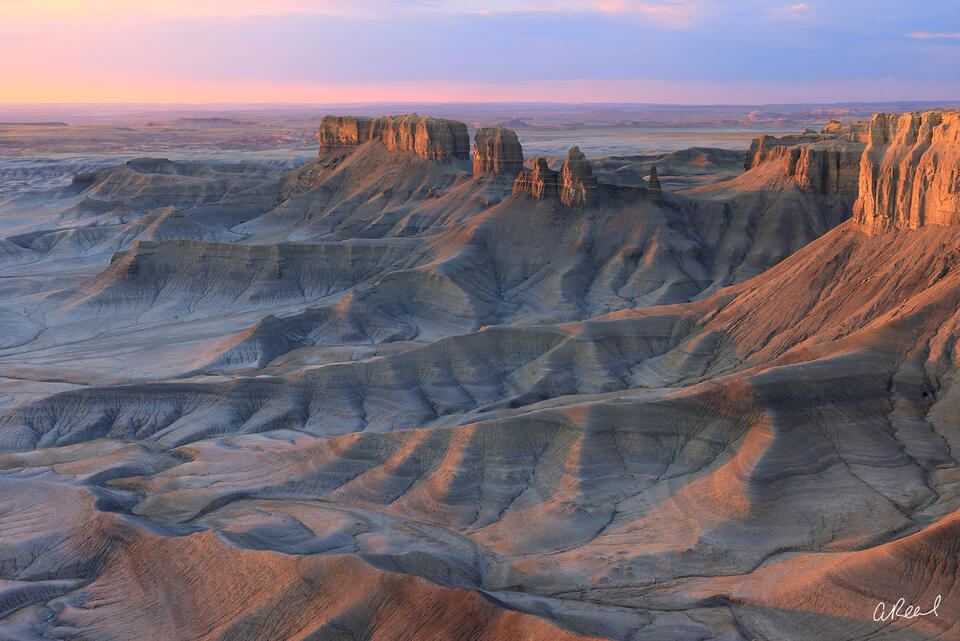
Morning Whisper
Factory Butte, Utah
The Spirit of Wailea
Wailea Point, Maui
Dreamscapes
Jökulsárlón Glacier Lagoon
Island Time
Secret Beach, Maui
The Kingdom
Paradise, WA
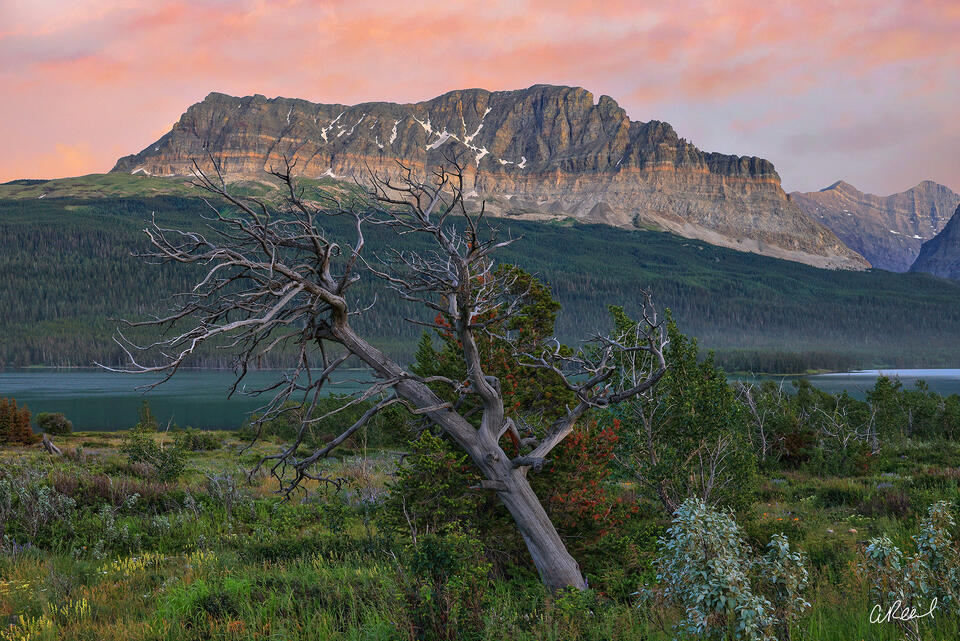
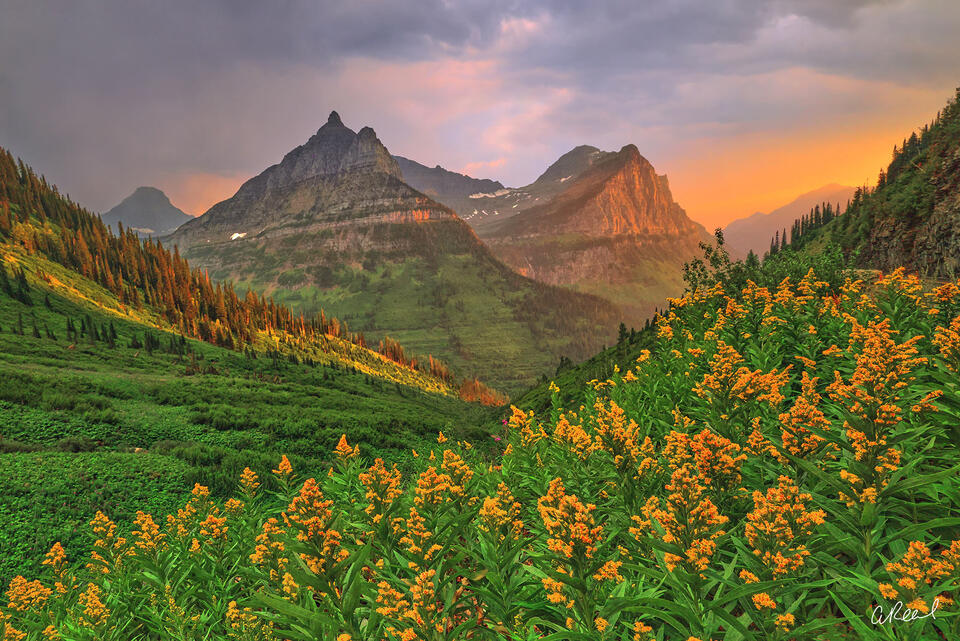
Montana Magic
Glacier National Park
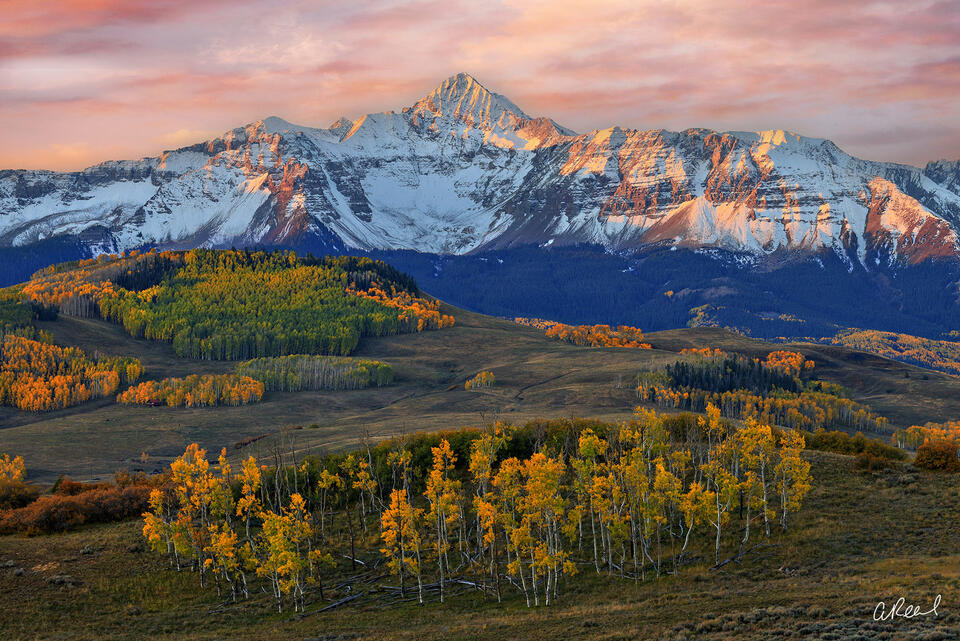
Morning Glory
Telluride, Colorado
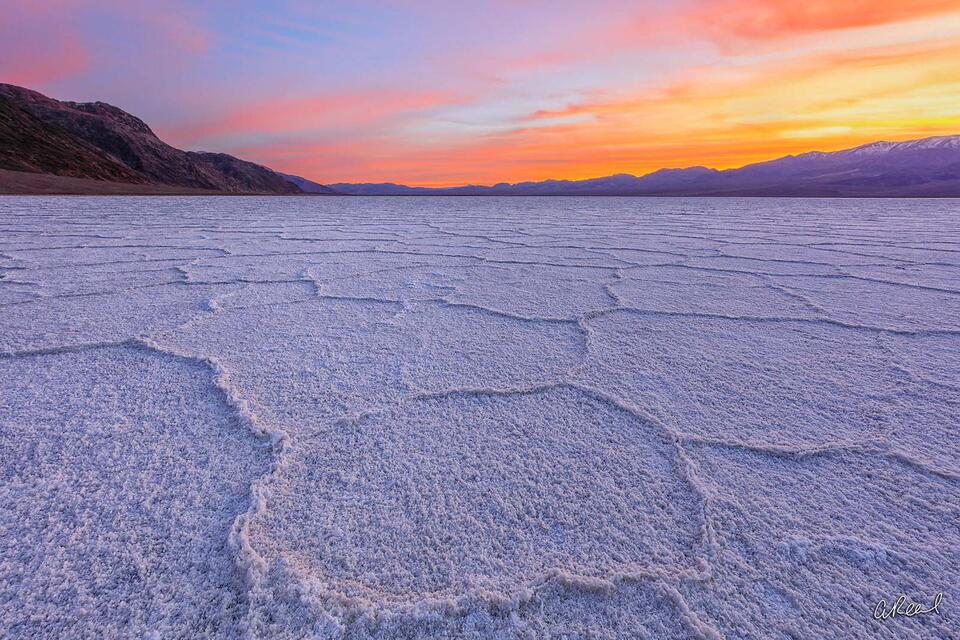
The Flats
Death Valley National Park
Backflow
Maui, Hawaii
Impossible Odds
Monterey, CA
The Pearly Gates
Big Sur, California
Spouting Horn
Kauai, Hawaii
Colorado Wild
Kebler Pass, Crested Butte
Made In Oregon
Cannon Beach, Oregon Coast
Glasshouse
Jokulsarlon, Iceland
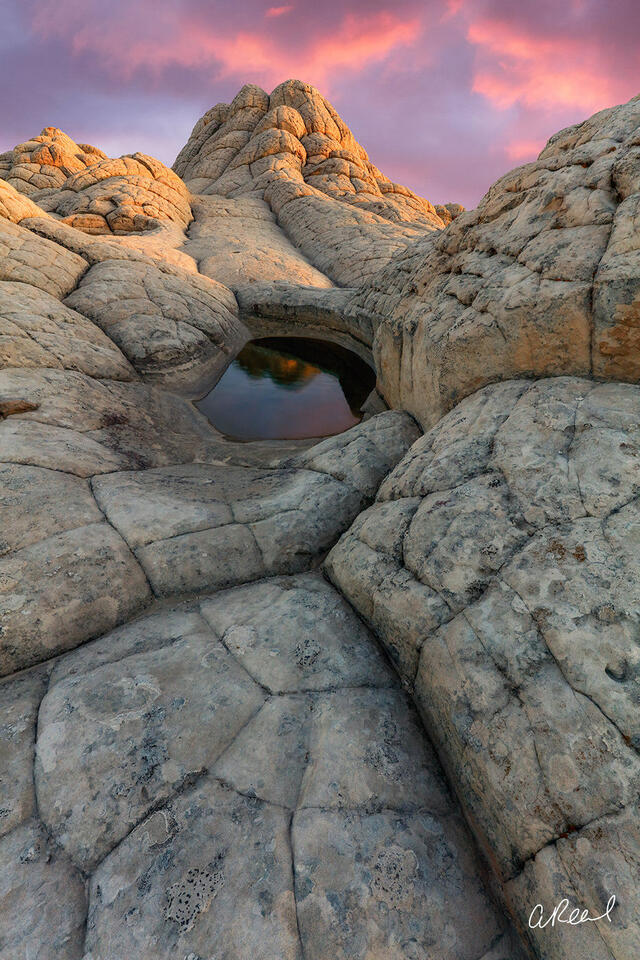
Otherworldly
White Pockets, Arizona
Glacier National Park photos for sale
Glacier National Park, MT

The Science of Sunrise and Sunset

The science behind sunrises and sunsets is based on Earth's rotation, atmospheric scattering of light, and the planet’s tilt.

1. Earth’s Rotation


The Earth rotates on its axis from west to east. As it rotates, different parts of the planet move into and out of the Sun's light, causing the cycle of day and night.
A sunrise occurs when a location on Earth moves from the dark (night) side into the Sun’s light.
A sunset happens when a location moves from the daylight side into darkness.

2. Atmospheric Scattering (Rayleigh Scattering)

As sunlight passes through Earth's atmosphere, it interacts with air molecules, dust, and water vapor.
Shorter wavelengths (blue and violet light) scatter more than longer wavelengths (red and orange light).
During the day, the Sun appears white or blue because the scattered blue light dominates.
During sunrise and sunset, sunlight must pass through more of Earth’s atmosphere due to the low angle of the Sun. This increases scattering of blue and violet light, leaving the longer red and orange wavelengths, which create the warm colors of sunrises and sunsets.

3. Refraction and Optical Illusions

The Earth’s atmosphere bends (refracts) sunlight, making the Sun appear slightly above the horizon even when it is geometrically below it.
This is why we see the Sun a few minutes before it actually rises and a few minutes after it actually sets.

4. Seasonal Changes

Due to Earth's axial tilt (23.5°), the Sun’s position at sunrise and sunset shifts throughout the year.
In summer, the Sun rises earlier and sets later, while in winter, it rises later and sets earlier.
This also explains phenomena like the Midnight Sun (continuous daylight in polar regions) and Polar Night(extended darkness).