Is Peter Lik Phantom The Most Expensive Photo Of All Time?
Is Peter Lik Phantom The Most Expensive Photograph Ever Sold?
Out of the seven reported highest grossing photographs ever sold as of December 2025, five of them were sold at auction by Christie's, one by Sotheby's and the most expensive one....anonymously? In December 2014, “Phantom" a monochrome version of a previously released photography print titled "Ghost" by photographer Peter Lik® was thrust into the spotlight by claiming to be the most expensive photograph of all time.
This anonymous art sale was for a reported 6.5 Million dollars, shattering the previous record held by Andreas Gursky's Rhein II after it sold for $4,338,500 via the auction house Christie's in November 2011. The story and skepticism of the sale has been well covered in the press by the New York Times as well as many others on both sides of the sale.
Despite the claims by Peter Lik USA, the lack of evidence of this anonymous sale has lead many to question its validity. In fact, when looking at a list of the top thirty most expensive photographs of all time, Peter Lik's Phantom, as well as his other claimed sales in excess of one million dollars, don't even make the list. Phantom is listed at the bottom, as a side note, as being a disputed sale. Controversy swirls around the sale of this photograph and its anonymous nature. Ultimately, you will need to decide for yourself if this sale was authentic.
If Not The Most Expensive Photo Ever, Where Does Phantom Fit In?
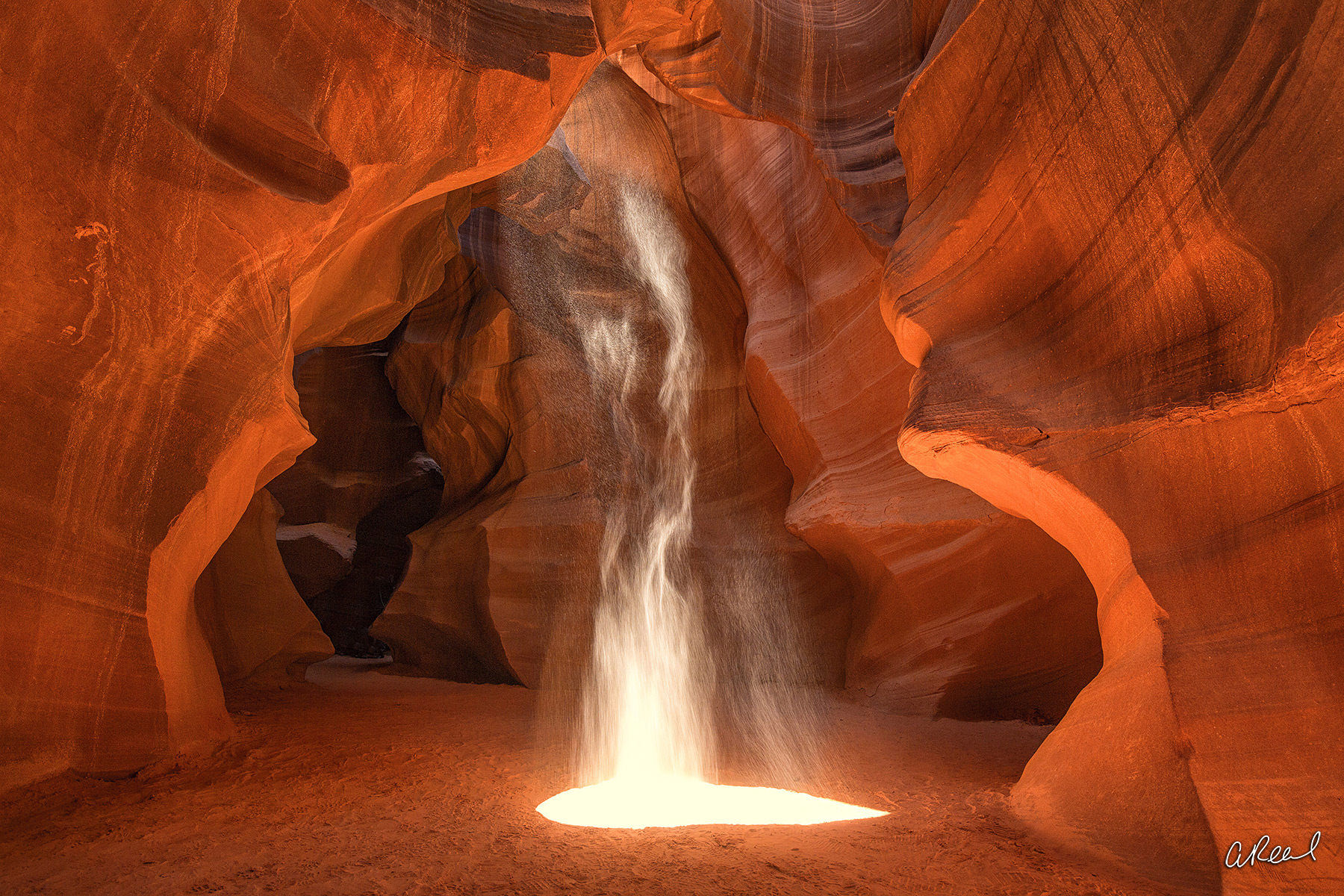
In 2014, Peter Lik’s studio announced that Phantom—a black-and-white image of a dust “ghost” in an Antelope Canyon light beam—had sold to an anonymous buyer for $6.5 million, and they called it “the most expensive photograph ever sold.”
Here’s the catch:
- The sale was private and undocumented; no public auction record, no named buyer.
- Multiple art-market observers and photographers have questioned the claim, noting that the sale cannot be independently verified and that Phantom does not appear on standard lists of the most expensive photographs, except as a disputed entry.
By contrast, the most expensive photographs with verified public records are:
- Man Ray – Le Violon d’Ingres (1924): sold at Christie’s New York in 2022 for $12.4 million, setting the auction record for a photograph.
- Edward Steichen – The Flatiron (1904/printed 1905): sold at Christie’s in 2022 for about $11.8 million, becoming the second-highest publicly recorded photography sale.
- Andreas Gursky – Rhein II (1999): sold at Christie’s New York in 2011 for about $4.3 million, the auction record at the time.
So when people ask, “What is the most expensive photograph?” the documented answer is Le Violon d’Ingres, not Phantom.
Who Is Peter Lik?
Peter Lik is an Australian-born landscape photographer (b. 1959) known for ultra-saturated panoramic images of nature—slot canyons, beaches, trees under full moons, dramatic skies—and for selling them through his own network of high-end galleries in tourist hotspots like Las Vegas and major US cities.
A few key points about his career:
- He specializes in panoramic landscapes, often printed verylarge, face-mounted to acrylic, with dramatic lighting in the galleries.
- He built a vertically integrated brand: he controls the shooting, printing, framing, and gallery sales experience.
- He briefly hosted a TV show, From the Edge with Peter Lik, which helped push his “celebrity photographer” status.
Love him or not, he’s been extremely successful at marketing nature photography to a mainstream audience.
What Are Peter Lik's Most Popular Photos?
Based on his own marketing, gallery presence, and how often they show up in articles and resale listings, some of the best-known titles include:
- Phantom – Black-and-white Antelope Canyon “ghost” beam (the disputed $6.5M image).
- Ghost – The color Antelope Canyon beam image Phantom is derived from.
- Eternal Beauty – A different Antelope Canyon composition often shown alongside Ghost.
- Bella Luna – A lone tree under a full moon in Kodachrome Basin, Utah, edition of 950 plus APs; frequently promoted and resold.
- Other recurring favorites: Ocean Dance, Pele’s Whisper, River of Zen, various Grand Canyon and tree-themed panoramas—many of which appear regularly in auction catalogs and on brokerage sites.
“Most popular” here means most marketed and most frequently seen, not necessarily best ROI.
Are Peter Lik Photos A Good Investment?
It depends what you mean by investment.
There are two very different markets for Peter Lik:
- Retail gallery market – His own LIK Fine Art galleries sell limited editions at premium prices, often in the mid-four to low-five-figure range (and up) for large pieces.
- Secondary/auction market – Independent auction houses and resale platforms (Invaluable, LiveAuctioneers, eBay, Art Brokerage, etc.) regularly offer his work—often at much lower realized prices than original gallery retail.
From a strictly financial, fine-art-market perspective:
- Most Lik prints have not appreciated strongly at auction. Public auction records show many selling in the low-thousands or even below estimates.
- His prices are heavily supported by his own sales ecosystem, not by blue-chip photography collectors or major museums.
So:
- If by investment you mean, “Will this almost certainly go up in value like a rare Man Ray or Gursky?” — probably not.
- If by investment you mean, “Will I get years of enjoyment from a big, bold nature print I love looking at?” — that’s a different kind of return, and only you can value that.
So What Does Phantom Mean For Collectors of Nature Prints?
From my perspective as someone who also sells nature photography:
- Phantom is a brilliant piece of marketing wrapped around a striking but very photographable scene.
- The controversy around its price is a useful case study in separating hype from documented market value.
- For most collectors, the real question isn’t “Will my print be the next $6.5M headline?” but “Do I love this image enough to live with it, regardless of what the market does?”
If you’re considering buying any fine-art photo—mine, Lik’s, or another photographer’s—I’d use this rule of thumb:
Assume the financial return will be modest at best.
If you’d still happily own the print, you’re probably making a good decision.
Photography Is Collectable Art!
What is based in fact without question is that photography does have its place in the collectable art world. As artists, it is our collectors themselves who determine value and we price our work accordingly. As a widely collected artist myself, although nowhere near the realm of these artworks here in terms of cost, I would argue that I provide a much greater value for my customers.
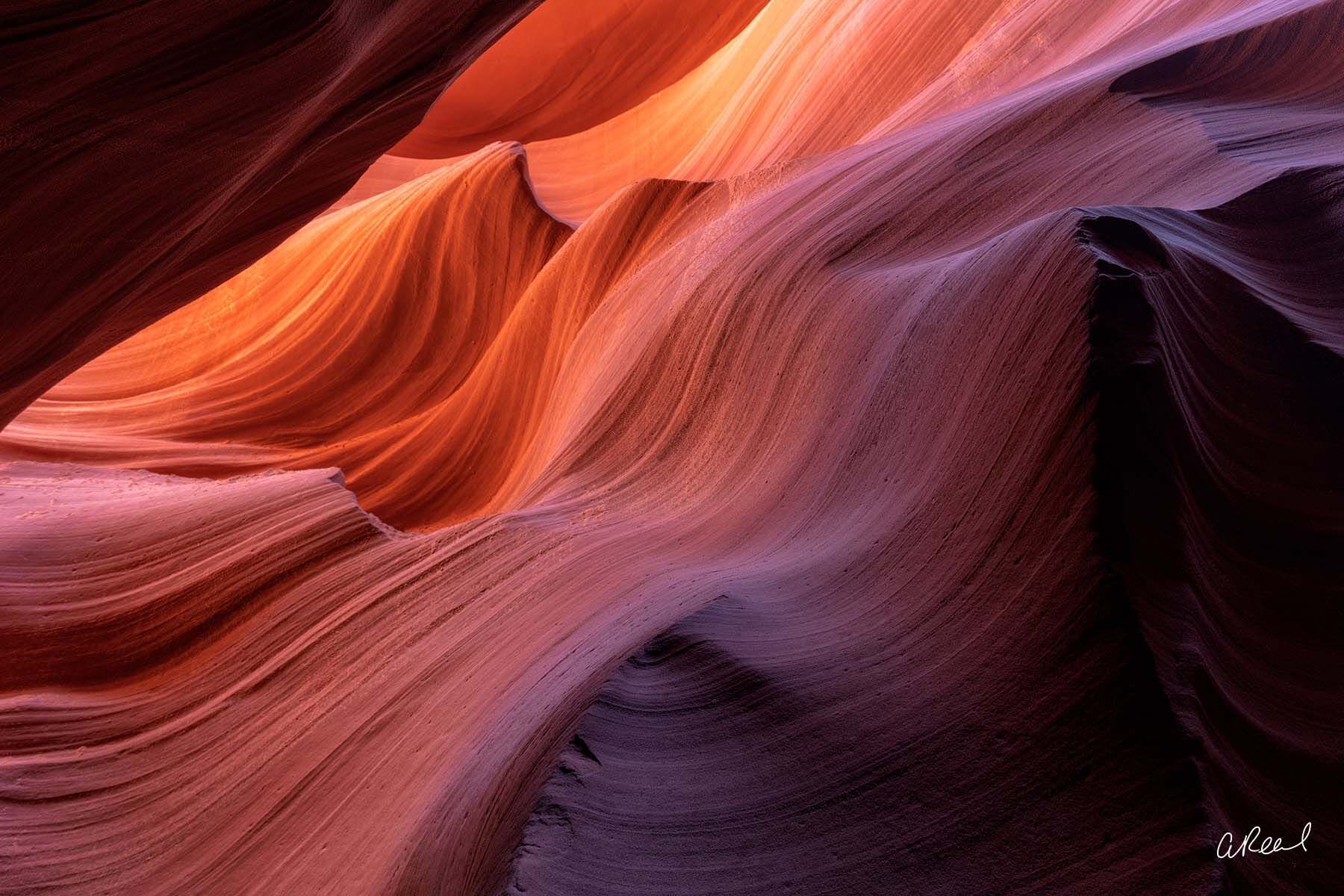
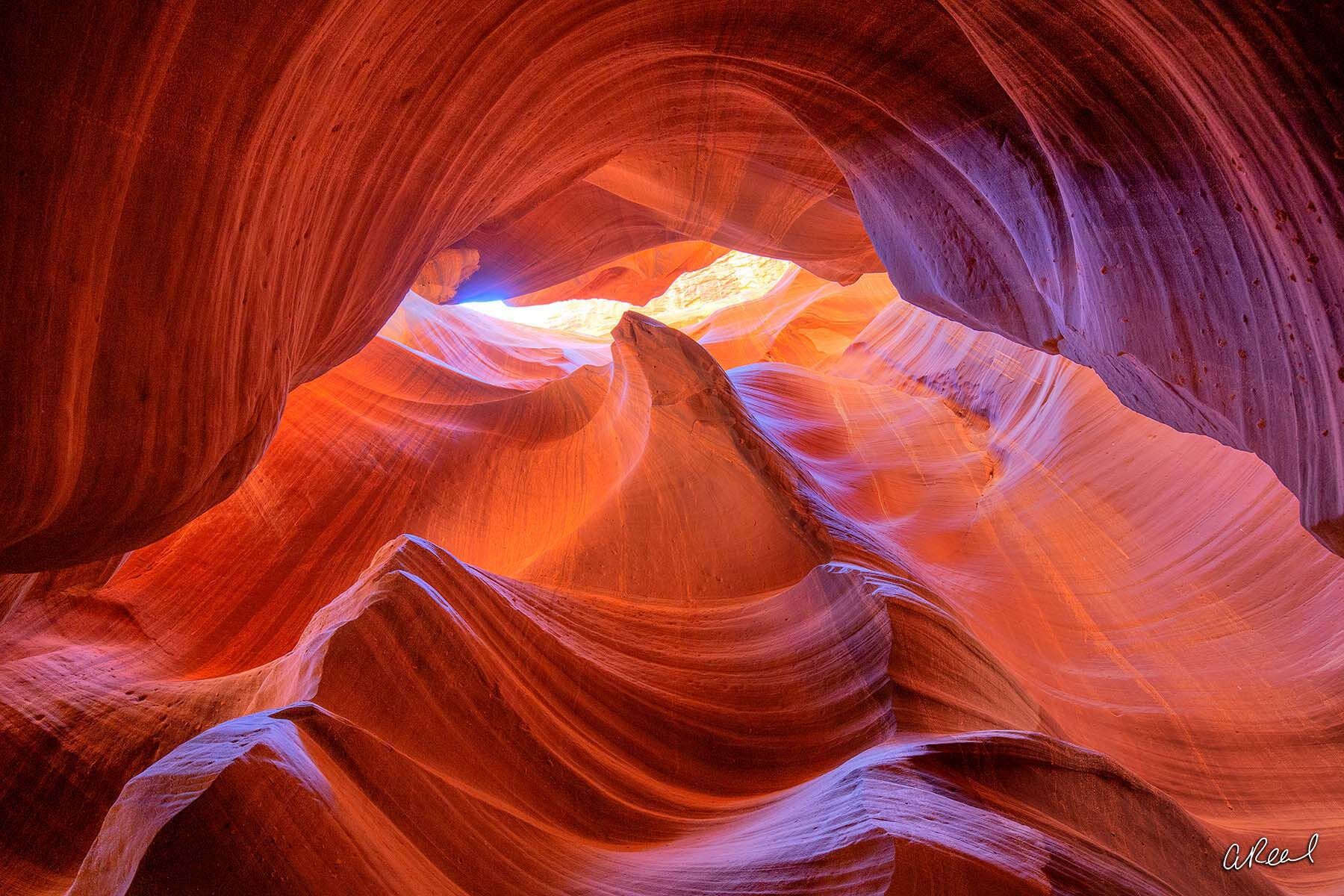
Waves of silken stone are frozen in motion in a deep crevasse in Antelope Canyon, Utah. The brilliance of the sun, refracted on the winding surfaces of the rock, evolves from fiery orange to shadowy blue as it travels down the cracks. Fine Art Limited Edition of 50.

The gnarled branches of a Japanese maple spread forth a flaming crown in a sculpted garden in Portland, Oregon. Beside a tranquil pond, the winding footpaths and soft beds of moss are scattered with the gold and crimson stars from this dazzling display. Fine Art Limited Edition of 100.
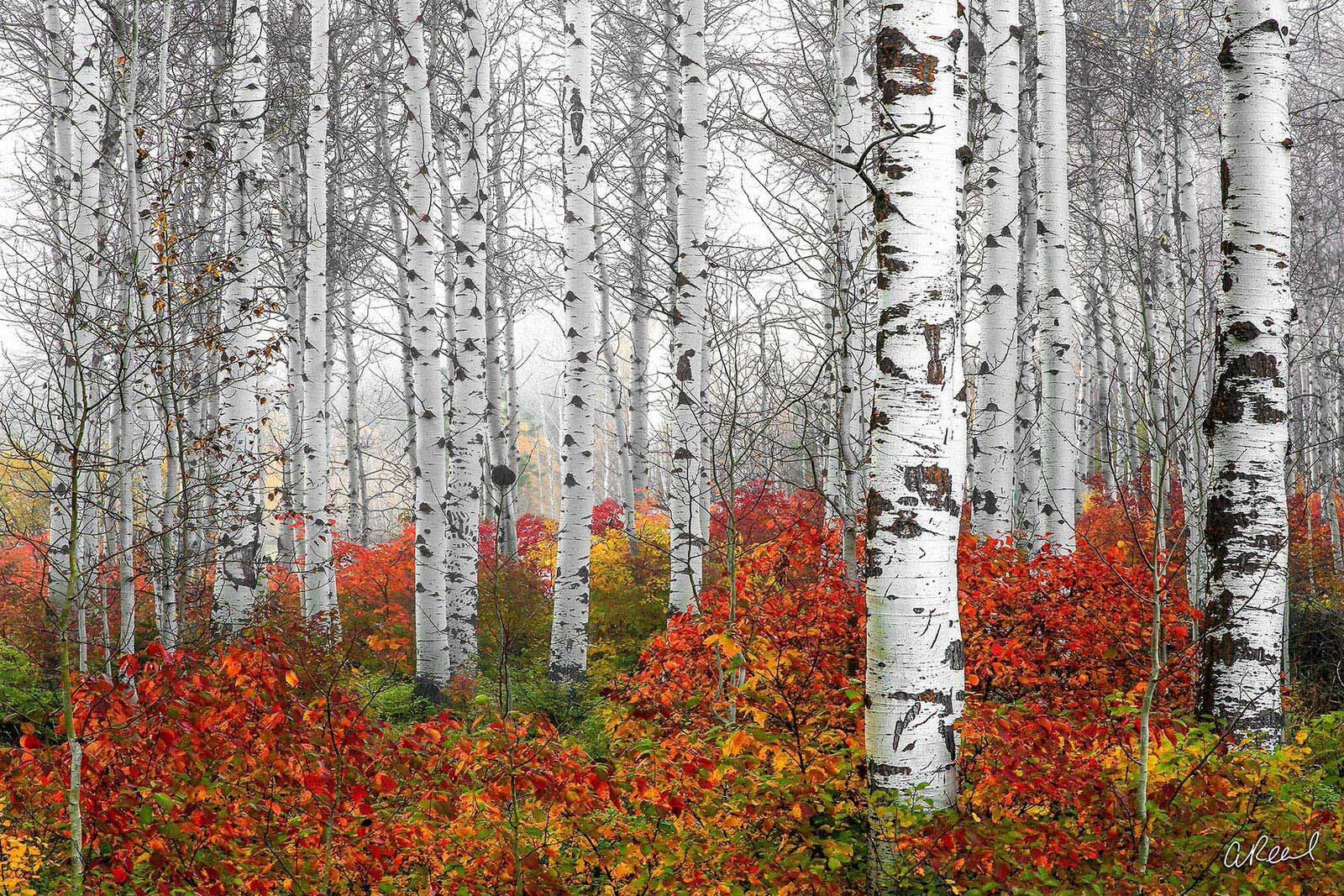
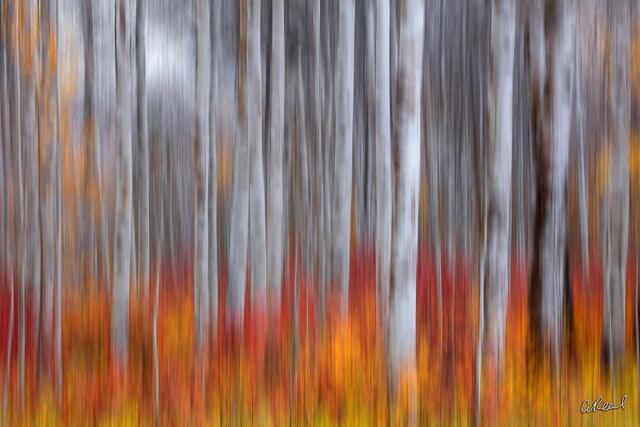
A tangled web of skeletal branches lace together the ashen trunks of a grove of aspen near Leavenworth, Washington. Unfazed as yet by the chill of winter, the fiery hues of the autumn undergrowth bleed through a hush of fog. Fine Art Limited Edition of 100.
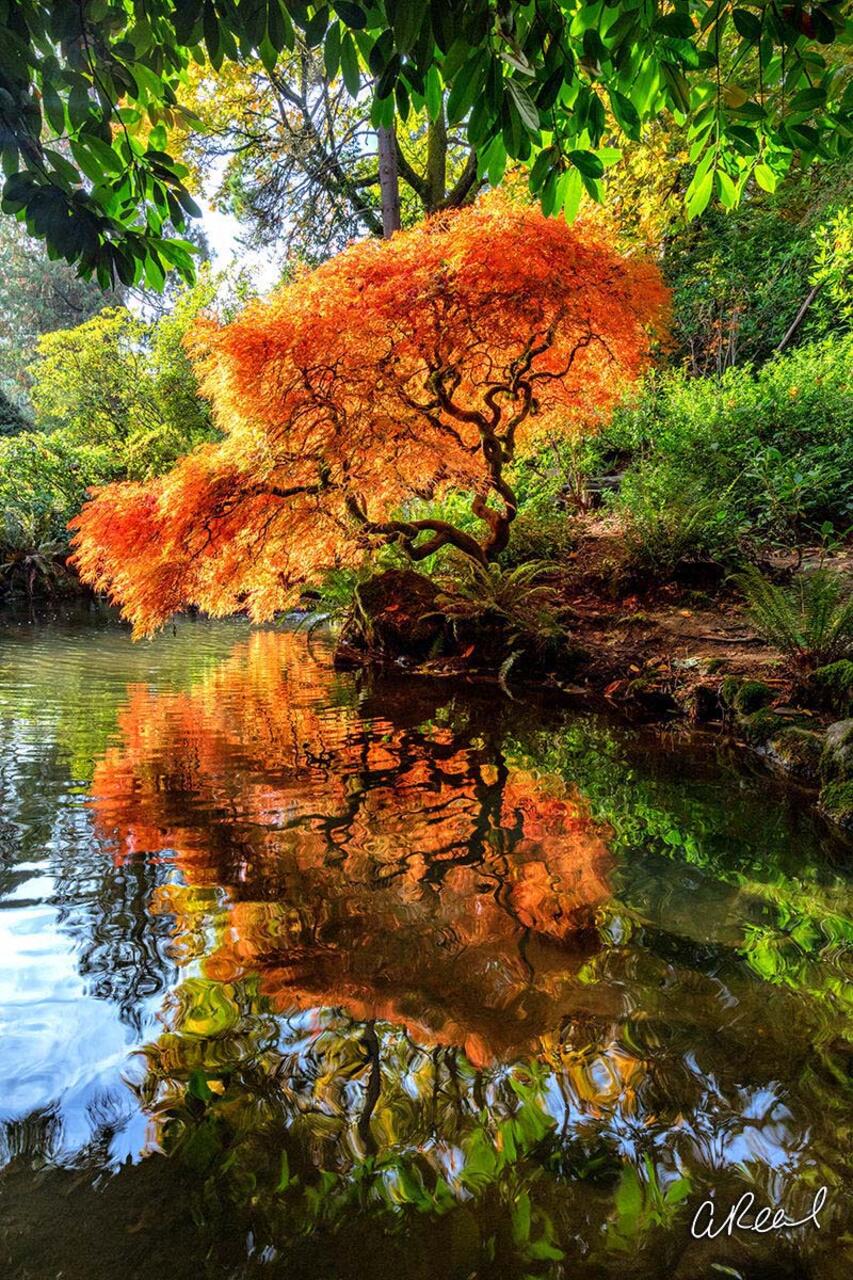
The blazing crown of a gnarled Japanese maple stands stark against the emerald tapestry of the surrounding vegetation. Suspended above the ringing waters of a reflecting pool, the diffused rays of the sun give the tree a numinous glow. Fine Art Limited Edition of 100.